In a nutshell, the County of Honolulu, Department of Planning and Permitting and City Council, failed to adhere to its own county ordinances. A B-1 Zoning is for rural communities commerce for its own neighborhood needs, not for tourism.
This lack of adherence to its own Ordinances, Rules and Regulations created a lot of friction amongst residents. The livelihood of small businesses, the surrounding environment as well as the taxpayers of Honolulu have been needlessly created and disrupted.
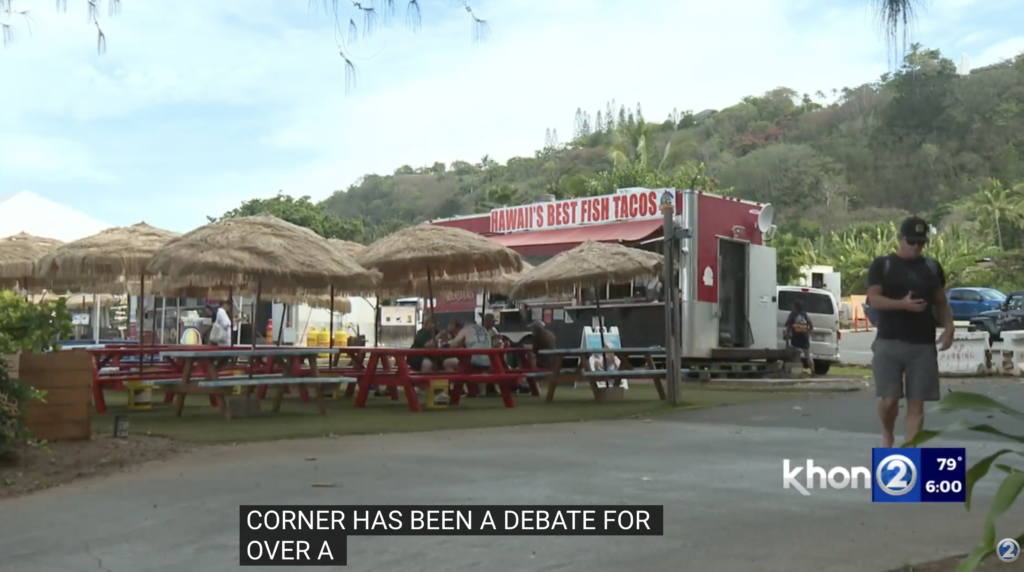
Hanapohaku LLC, owned by Andrew Yani, purchased the three-acre property near Shark’s Cove in Pupukea on Oahu’s North Shore for $5.5 million in 2014. (In March 2026, the City and County of Honolulu bought this same property from Hanapohaku LLC for $24.6 million.
County of Honolulu’s Failure to recognize and adhere to it’s own Planning Ordinances:
AI Overview: The North Shore | Sustainable Communities Plan is a long-range guide by the City and County of Honolulu’s Department of Planning and Permitting. It manages land use, rural character, and infrastructure from Kaʻena Point to Kawela Bay through 2045, keeping 97% of the region zoned for agriculture or preservationThe North Shore Sustainable Communities Plan Ordinance mandates the B-1 Zoning.
Under the City and County of Honolulu Land Use Ordinance (LUO) Chapter 21, B-1 zoning designates the Neighborhood Business District.
Its primary purpose is to provide small-scale commercial areas that serve the daily retail and business needs of the immediately surrounding residential population.
Common Permitted Uses for B-1 Zoning
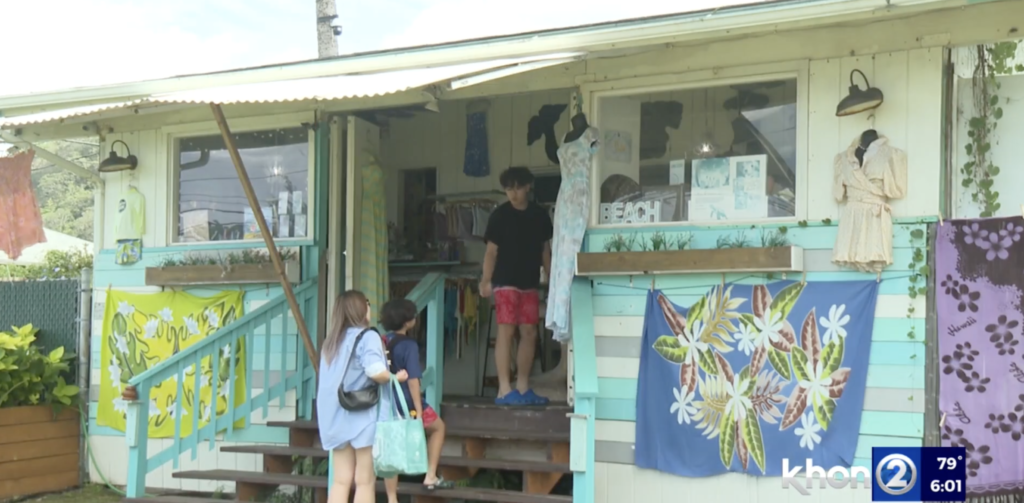
- Retail & Convenience: Small grocery stores, drug stores, and local retail shops.
- Services: Dry cleaners, salons, medical clinics, and branch banks.
- Food & Beverage: Neighborhood cafes and restaurants.
- Mixed-Use Residential: Multi-family dwellings are permitted under specific rules, provided they are built above or alongside a commercial use on the lower level.
CONSEQUENCES FROM COUNTY CONFUSION:
EXCERPT FROM CIVIL BEAT FOR EDUCATIONAL PURPOSES – A petition seeks to force the city to enforce land use and coastal zone management laws designed to protect marine areas from overuse. By Stewart Yerton October 3,2017
“In a petition filed earlier this month with the Honolulu Department of Planning and Permitting, the nonprofit organization Malama Pupukea-Waimea says the department erroneously granted a permit to allow the dining encampment and has let the landowner behind the project get away without paying fines.
Malama Pupukea-Waimea wants the planning department to require developer Hanapohaku to correct land use violations, pay outstanding fines and apply for the type of permit the owner needs to lawfully operate its food truck village in a specially protected area near the ocean.
The petition requests a contested case hearing, a sort of administrative judicial hearing before the agency, which is a necessary prelude to a court challenge.
“This poorly planned development and the irresponsible approach of the owners has imposed hardship on community,” said Denise Antolini, Malama Pupukea-Waimea’s president and the attorney who filed the petition. “For the past three years, weʻve seen a big spike in traffic, pedestrian hazards, runoff, and spillover litter and other impacts on the Pupukea beach park and the Sharks Cove marine protected area.”
Antolini said the property owners allowed things to get out of control on the site and racked up nearly $150,000 in unpaid fines for violating city planning and permitting laws, letting as many as 10 food trucks operate without the type of permit needed for coastline development.
Although the property owner has scaled back to five food trucks from eight, Antolini said the city needs to take a harder look at the project.
“Only after community vigilance, monitoring, and complaints to regulatory agencies and elected officials did Developer make any effort to reduce the impact of its activities,” Malama Pupukea-Waimea’s petition says. “However, these significant problems persist.”
Andrew Yani, a partner in Hanapohaku, declined to comment.
Curtis Lum, a spokesman for the Honolulu Department of Planning and Permitting, declined to comment, citing the litigation.”
Honolulu County exposes itself to Environmental Lawsuits and Friction
The multi-million dollar public buyout serves as the climax to nearly a decade of legal battles over commercialization:
- The Food Truck Violations: In the late 2010s, groups like Mālama Pūpūkea-Waimea filed petitions against the developer for racking up roughly $150,000 in city fines. The site operated up to ten food trucks simultaneously without the proper coastal zone development permits, causing toxic runoff, traffic hazards, and litter spillover into the marine life conservation district.
- The 2019 Mega-Development Lawsuit: In February 2019, Hawaii’s Thousand Friends, the Save Sharks Cove Alliance, and local residents filed a massive lawsuit against Hanapohaku LLC. They successfully blocked a proposed mauka commercial center featuring multi-story retail buildings and a 126-space parking lot.
- The Resolution: Faced with permanent community resistance, litigation, and zoning restrictions, the developer ultimately pivoted to sell the property directly to the city, transforming a bitter zoning war into a public safety project. The city paid $24.6 Million for this property that was privately acquired in 2014 for $5.5 Million.
The City Acquisition Timeline
- March 2026: Honolulu Mayor Rick Blangiardi announced that all primary parties signed a purchase and sale agreement to buy the 2.7-acre property from Hanapohaku LLC for $24.6 million.
- August 2026: The land deal is undergoing its final closing stages, cementing the property for the future Honolulu Ocean Safety and EMS first responder hub.
- August–Late 2026: Upon final closing, the city is legally mandated to issue a strict 90-day notice to vacate to the eight onsite commercial tenants.
- The Long-term Outlook: Affected businesses (including North Shore Surf Shop and Sunrise Shack) are actively petitioning for a compromise, but city officials stated they lack the legal framework to mix private commercial storefronts with public safety facilities on the site. The city plans to offer off-site relocation assistance.