

Tag Archives: Mayor Rick Blangiardi

Hawaii Legislative Fines and Knee-jerk Quickie Foreclosures

Some legislators are quietly robbing basic constitutional civil rights of their private property owners constituents!

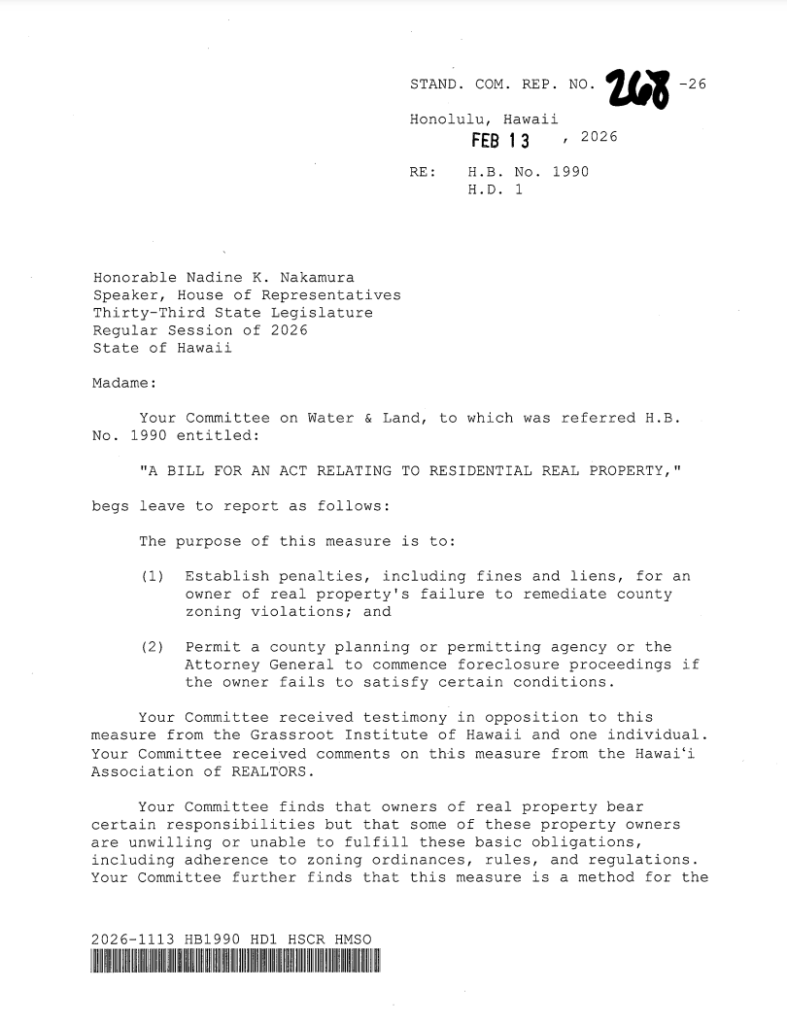
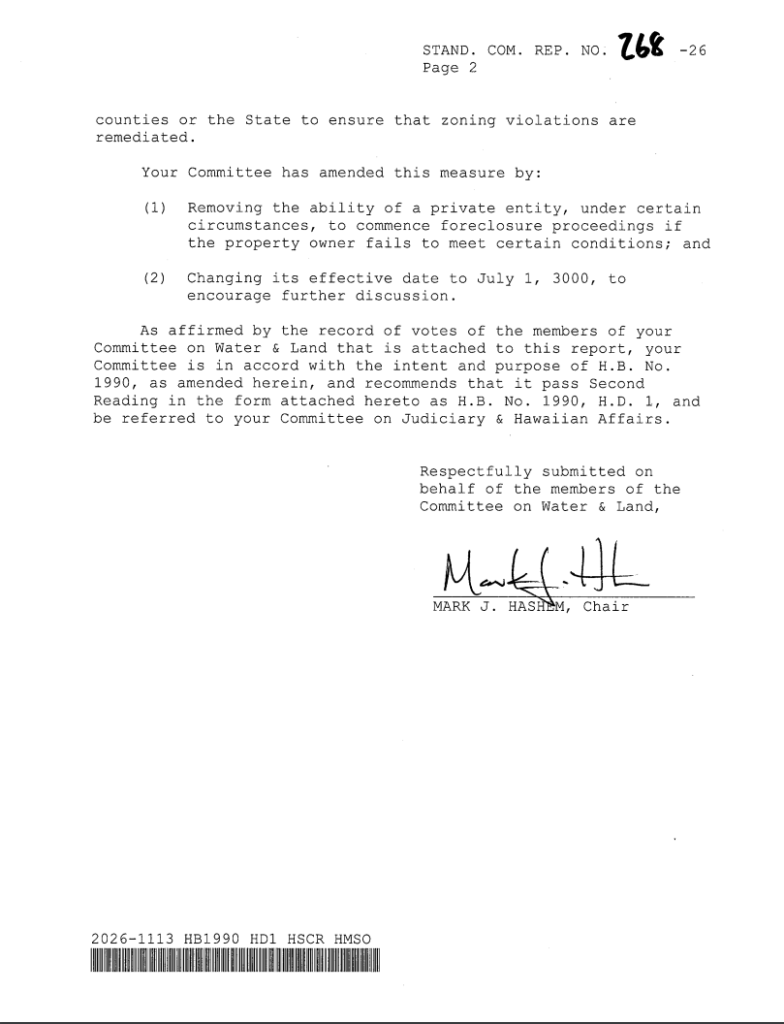
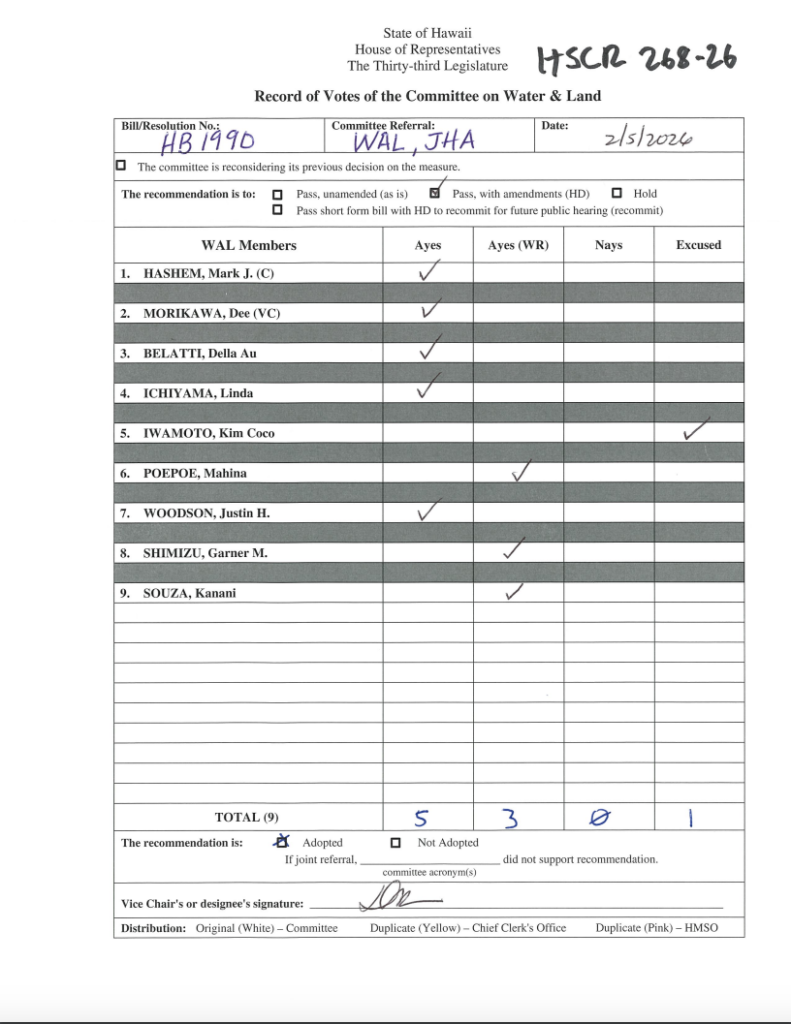
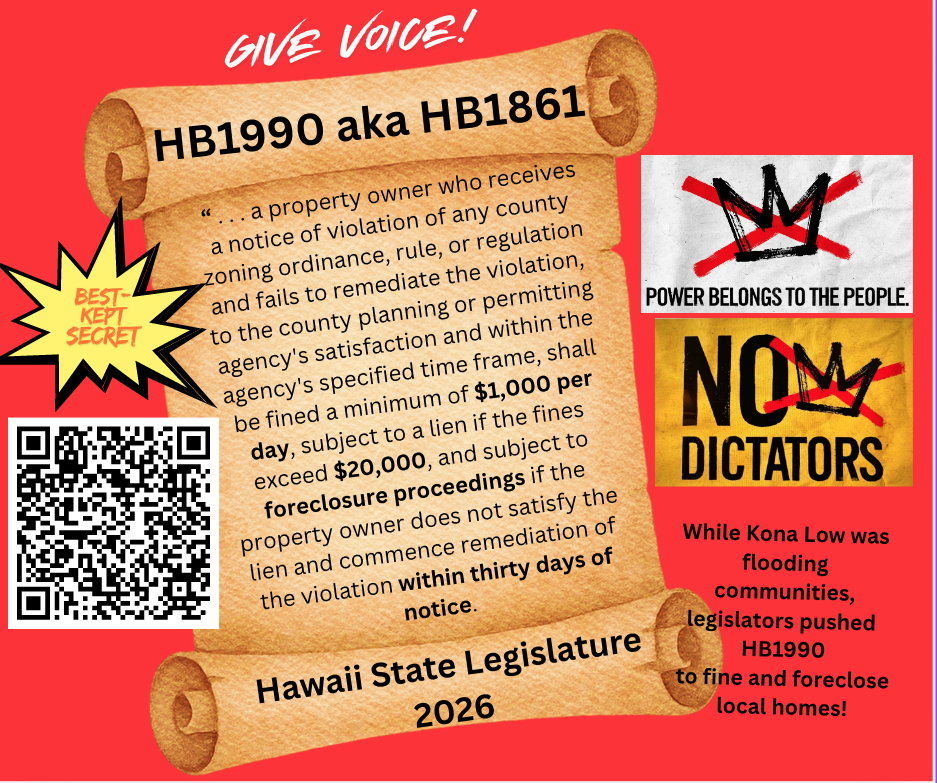
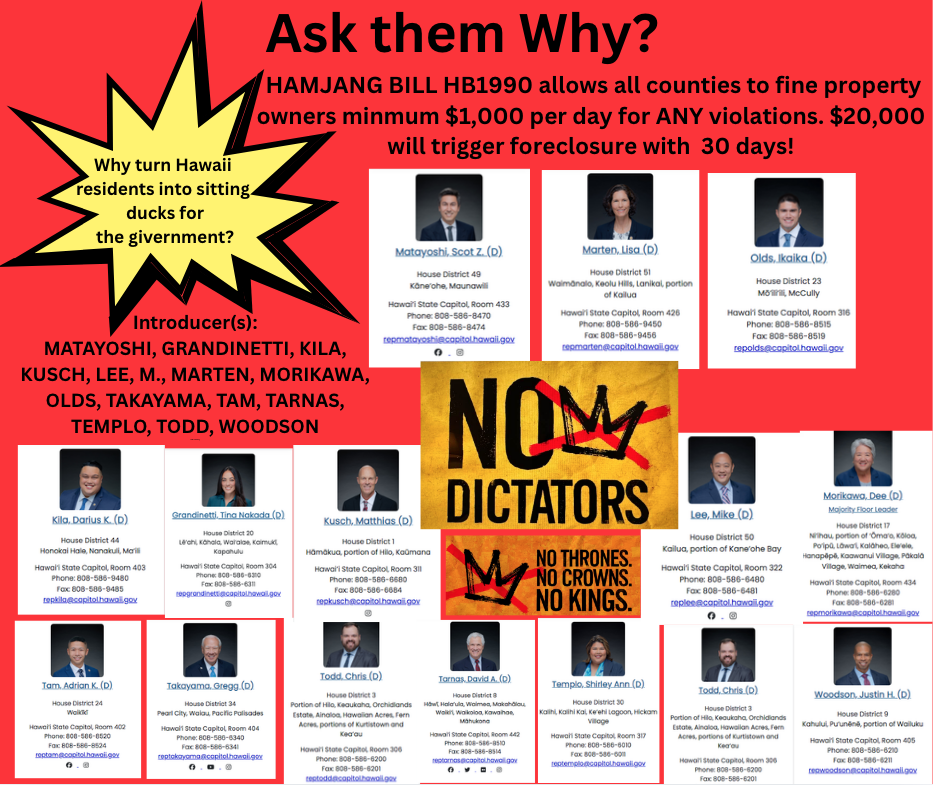
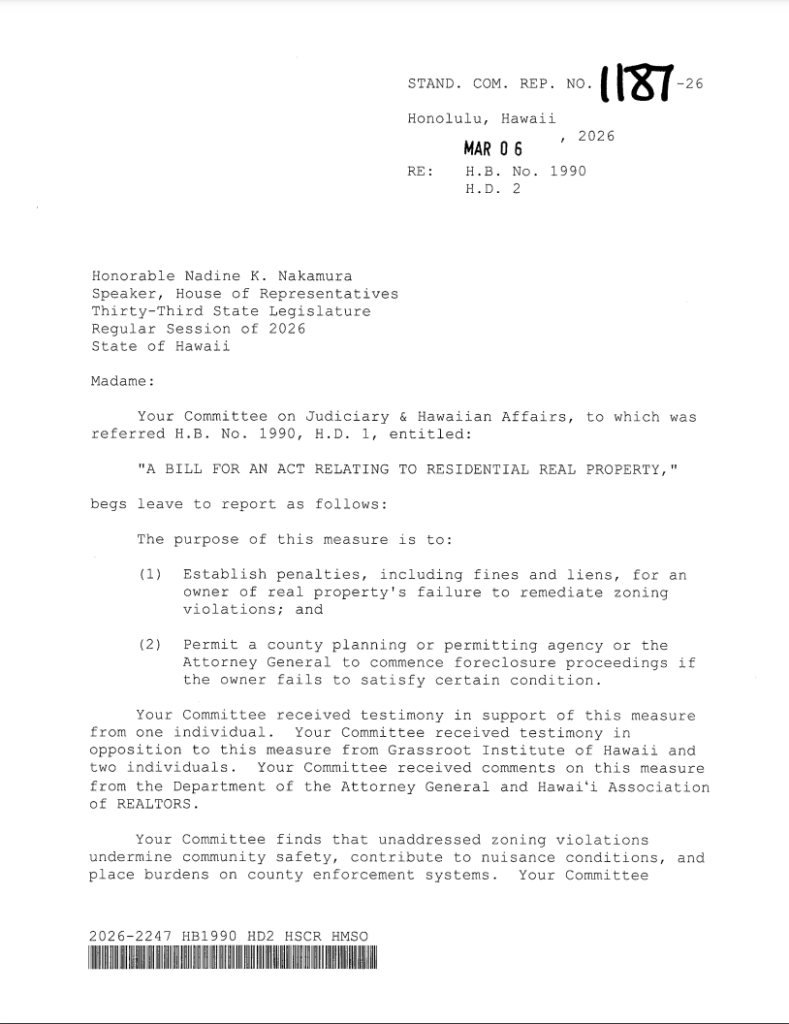
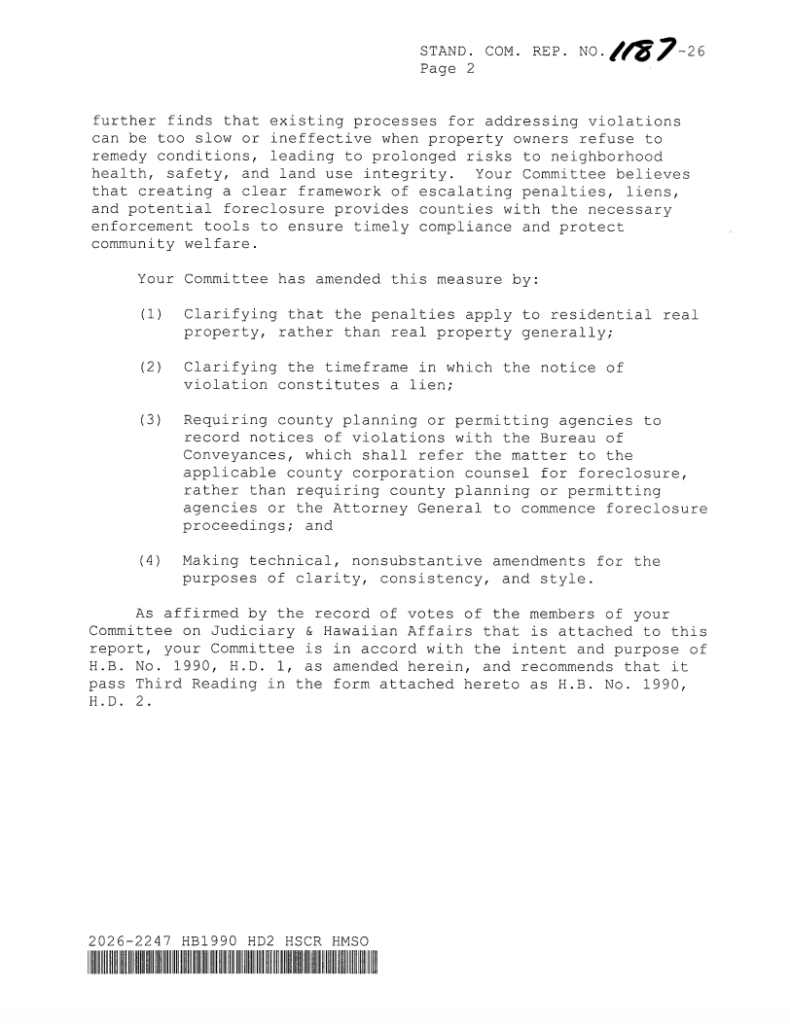
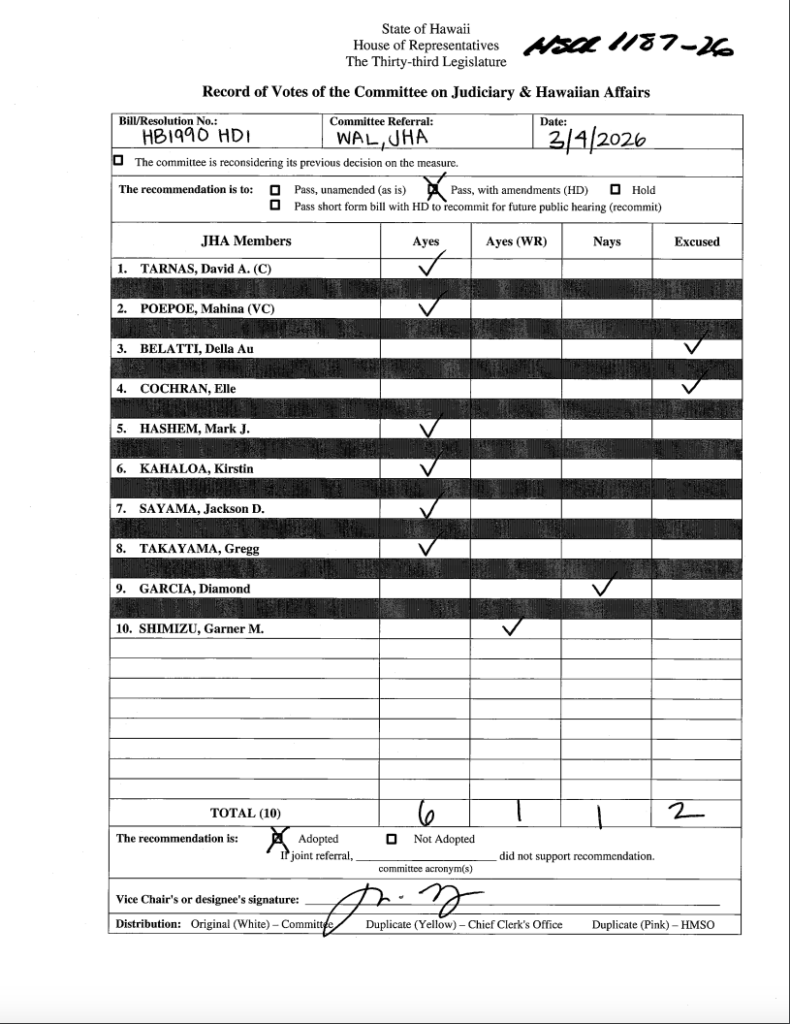
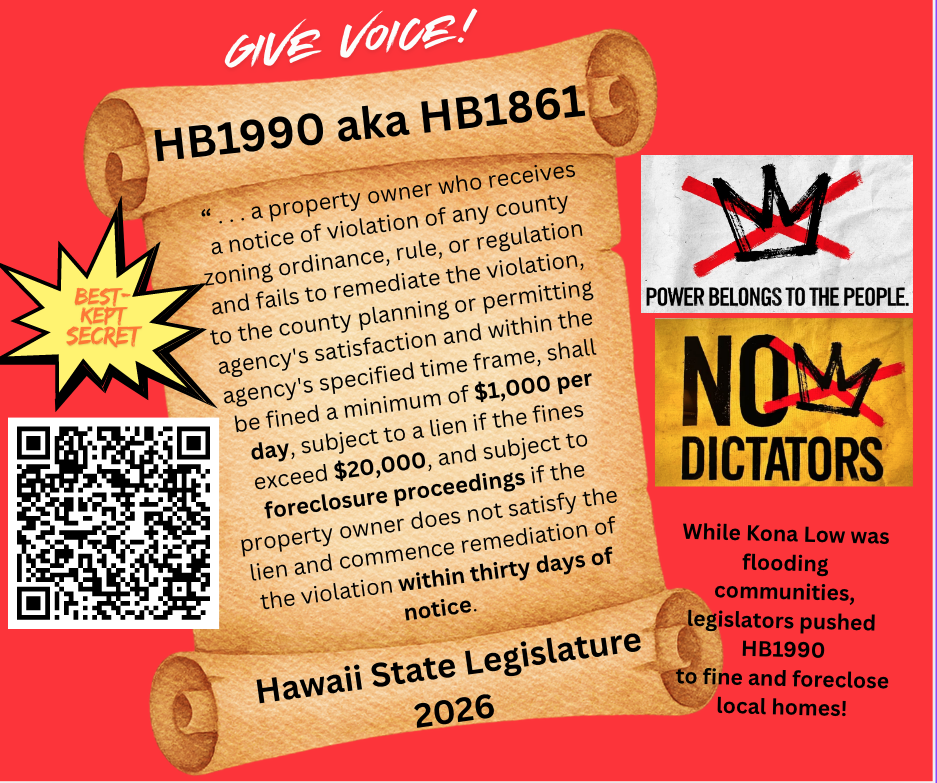
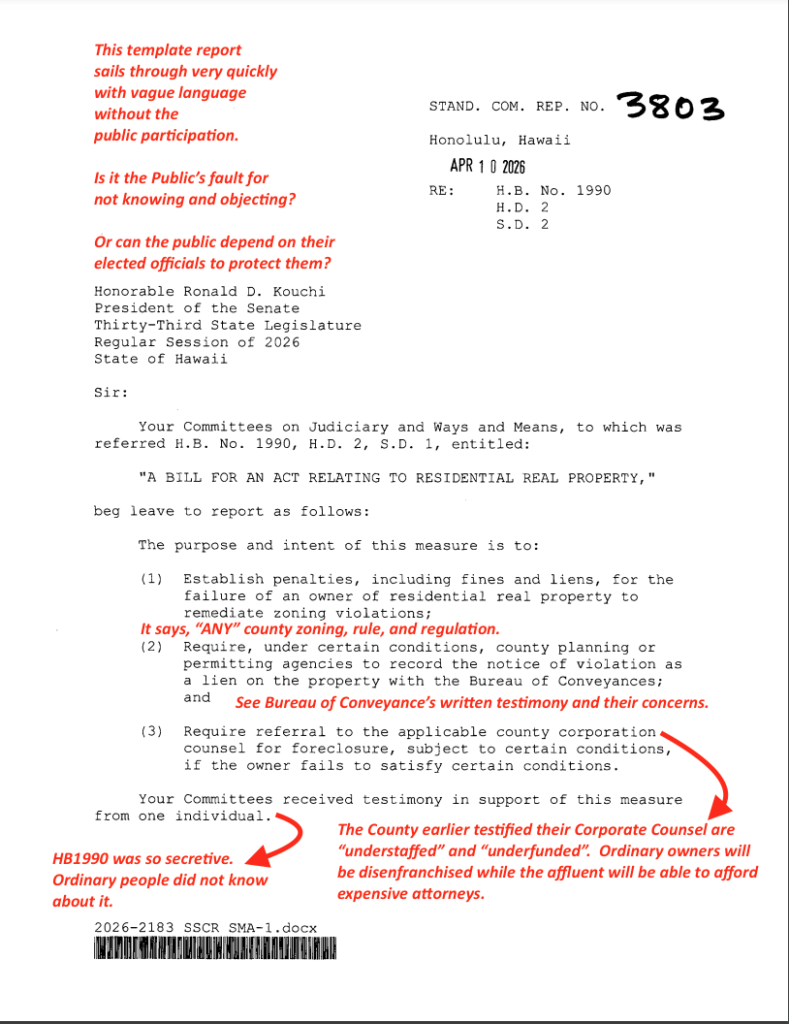
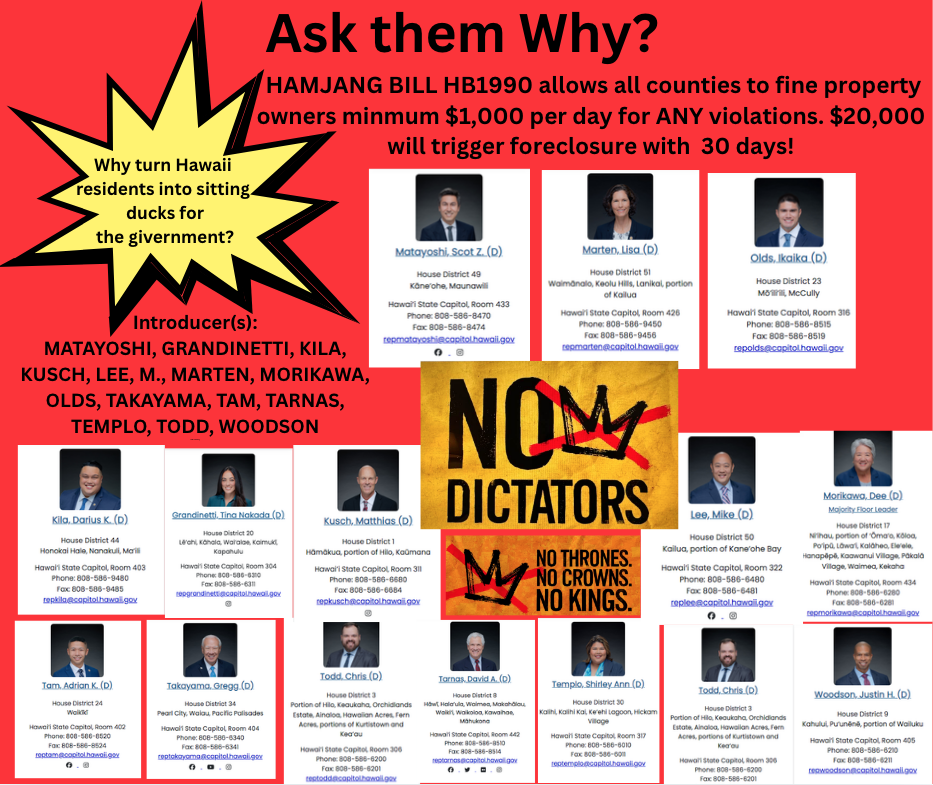
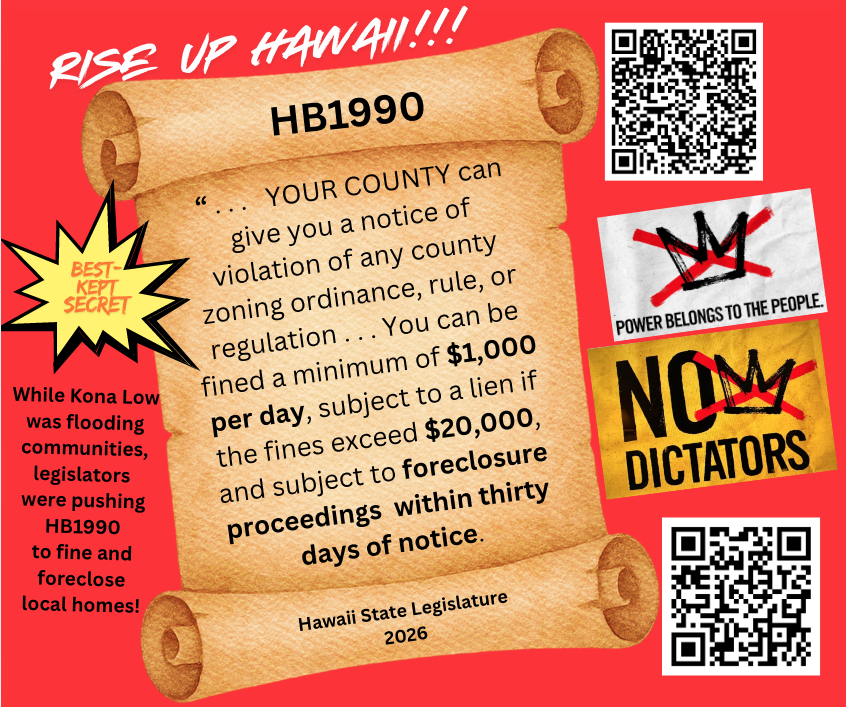
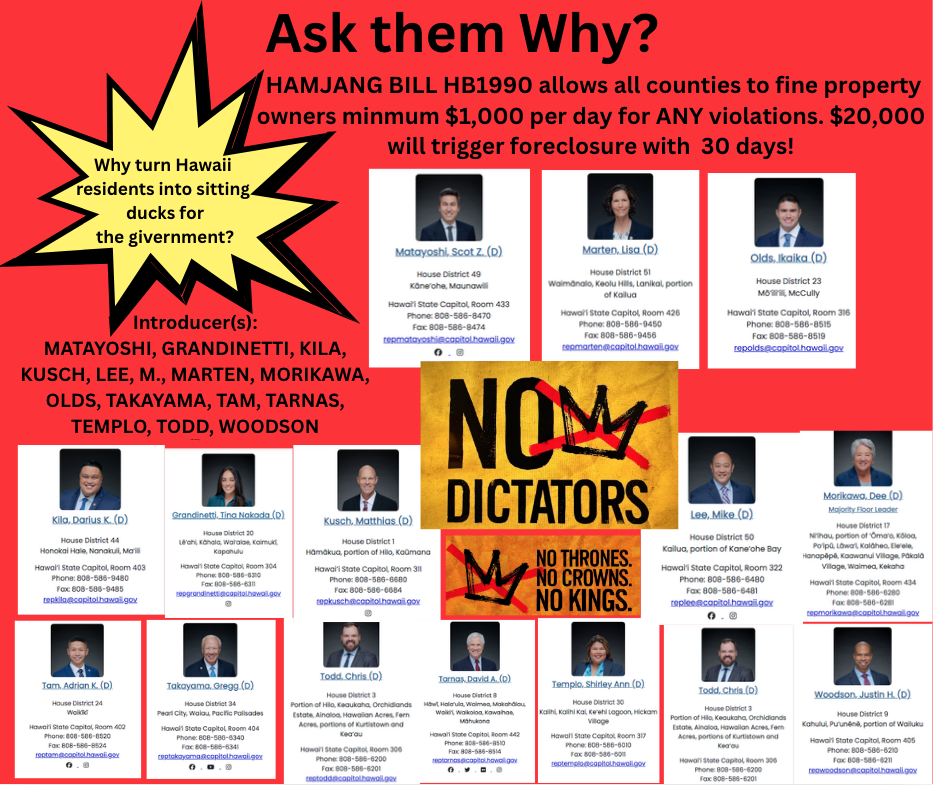
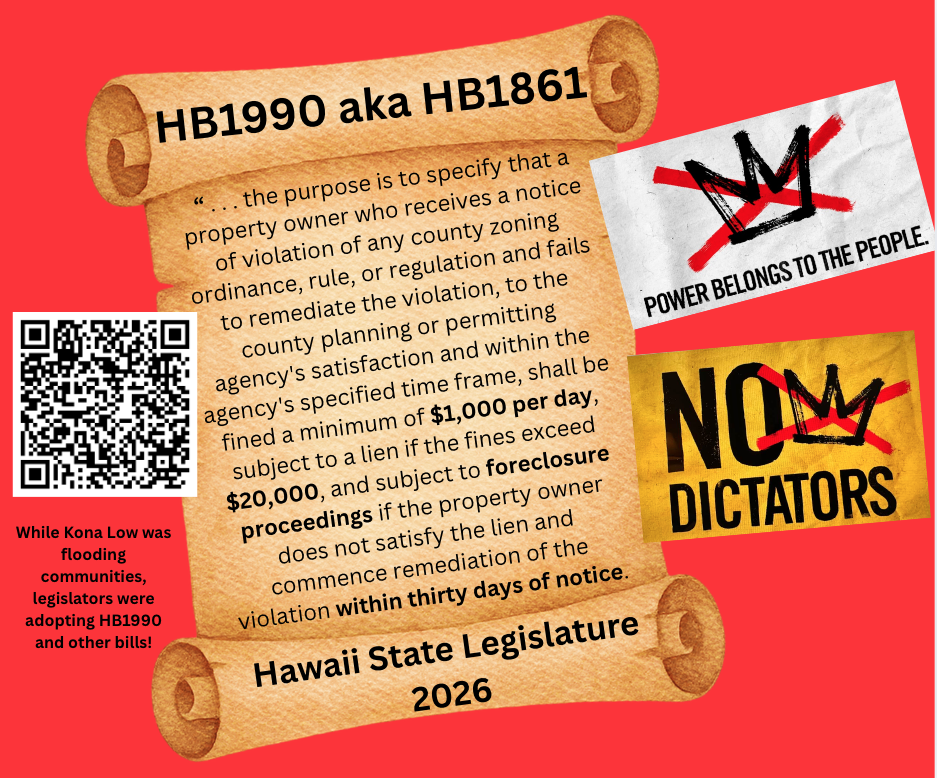
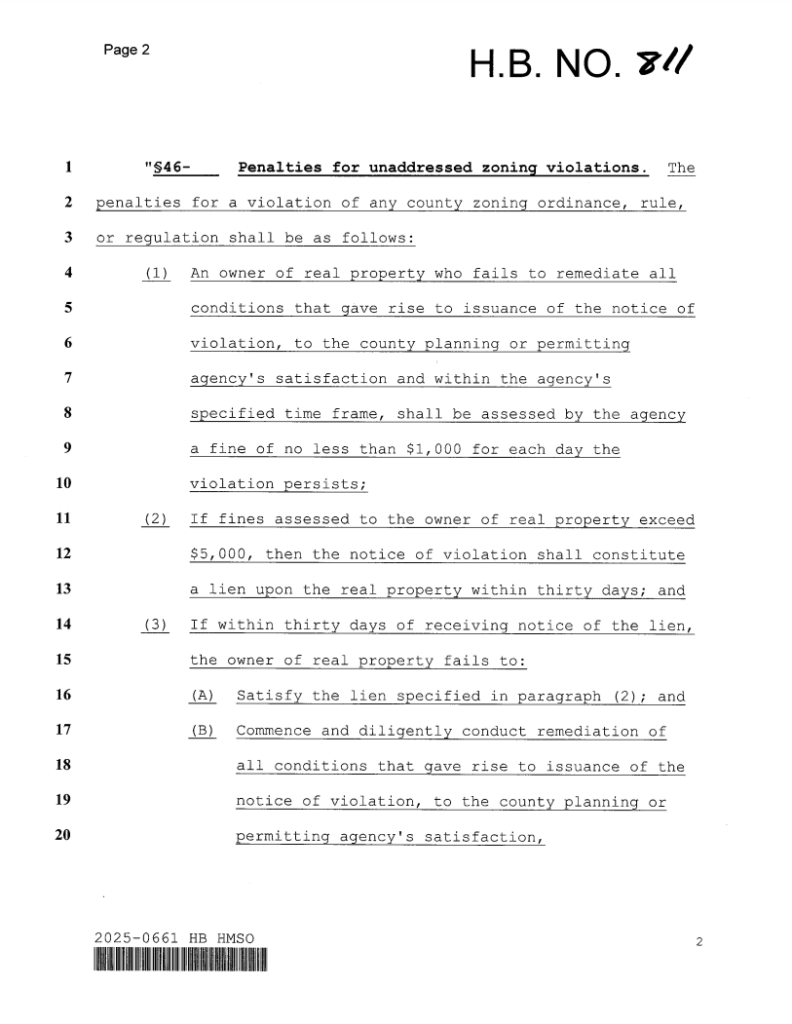
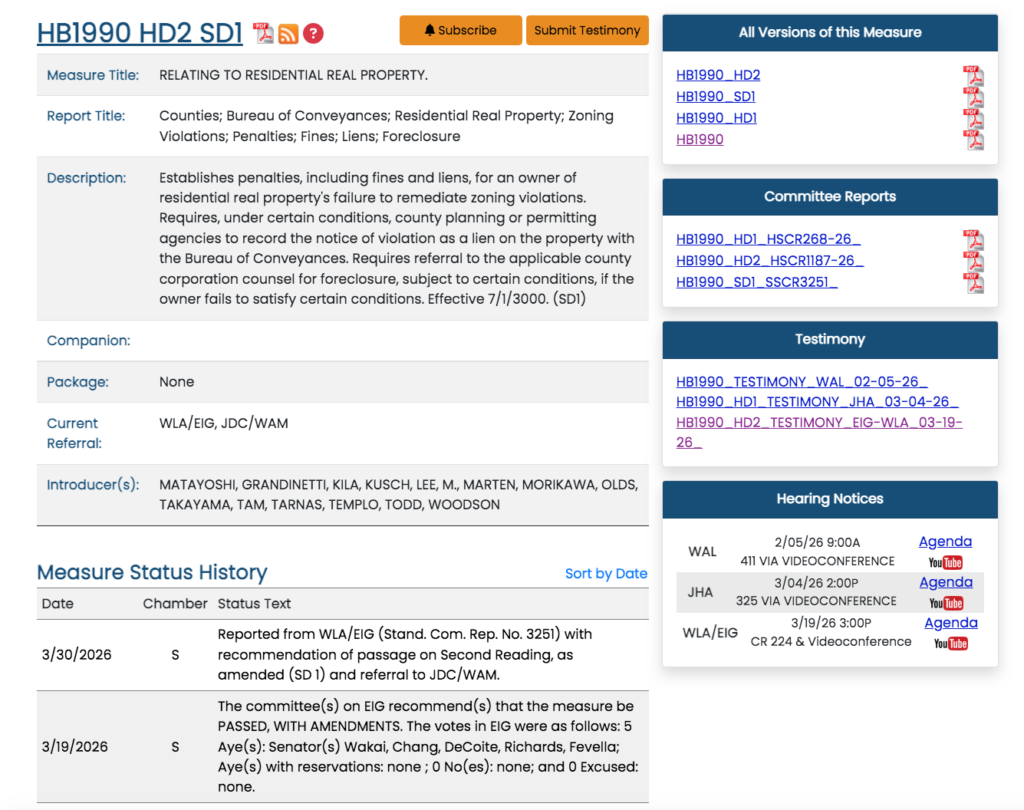
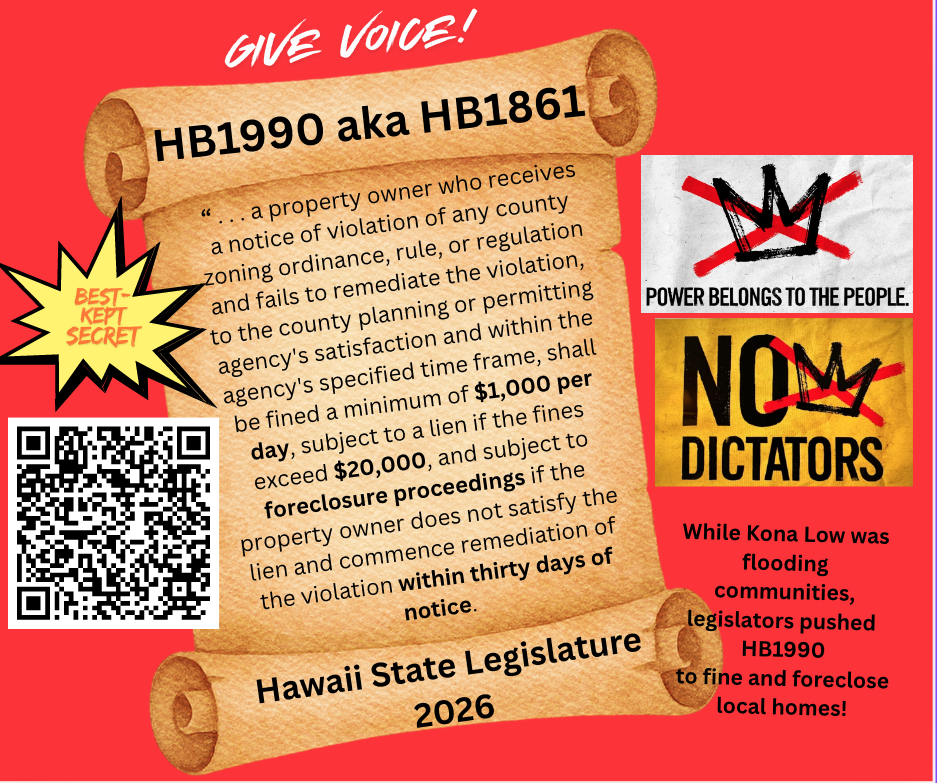
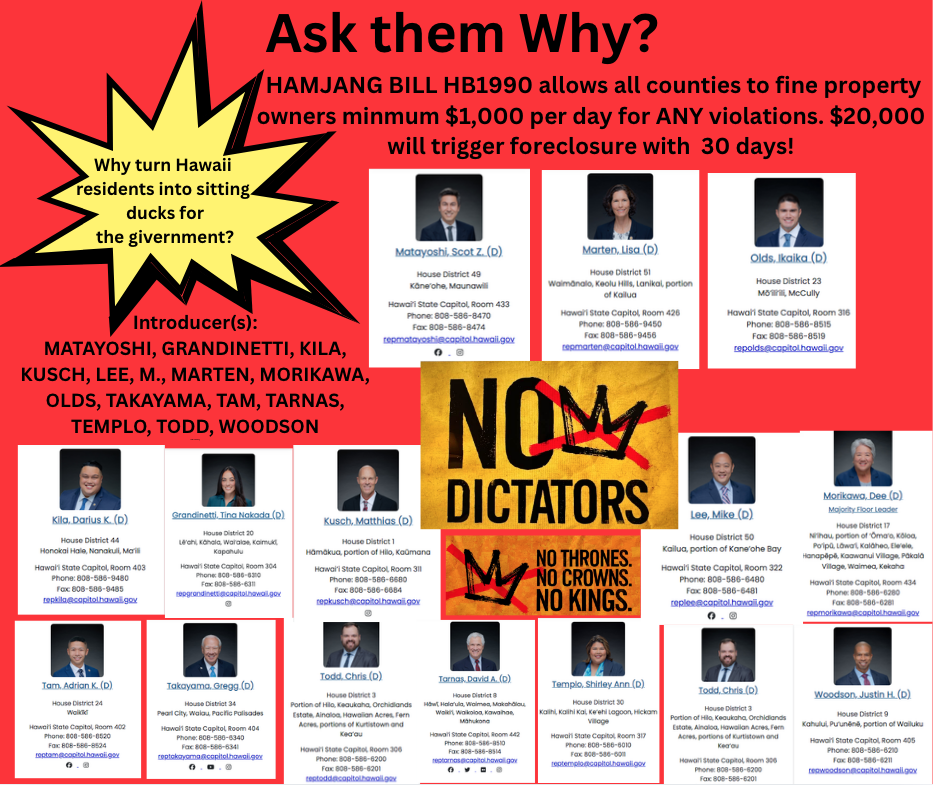
We were informed a couple days ago that HB1990 is sailing through! This is an abusive and greedy bill – – A notice of violation of ANY county zoning ordinance, rule or regulation shall be fined . . . $1000 per day subject to a lien if the fines exceed $20,000 and subject to foreclosure within 30 days of notice.

The Bill affects ALL Counties.

Who in Oahu alone can get a quick response from the County within 30 days! There are 30 days in a month, so $20,000 is easy number to become ripe for foreclosure!

What can you do?

Email the Senators. Tell them to “KILL HB1990” and other opinions you may have. Cut and paste on your email addresses.

sens@capitol.hawaii.gov,
 senihara@capitol.hawaii.gov,
senelefante@capitol.hawaii.gov,
senChang@capitol.hawaii.gov,
senkouchi@capitol.hawaii.gov,
sendelacruz@capitol.hawaii.gov,
senrichards@capitol.hawaii.gov,
senmisalucha@capitol.hawaii.gov,
sennishihara@capitol.hawaii.gov,
sendecoite@capitol.hawaii.gov,
sensshimabukuro@capitol.hawaii.gov,
senfevella@capitol.hawaii.gov,
senmoriwaki@capitol.hawaii.gov,
sengabbard@capitol.hawaii.gov,
senwakai@capitol.hawaii.gov,
senawa@capitol.hawaii.gov,
senfukunaga@capitol.hawaii.gov,
senhashimoto@capitol.hawaii.gov,
senkeohokalole@capitol.hawaii.gov,
senkidani@capitol.hawaii.gov,
senkim@capitol.hawaii.gov,
senlamosao@capitol.hawaii.gov,
senmckelvey@capitol.hawaii.gov,
senrhoads@capitol.hawaii.gov,
sensanbuenaventura@capitol.hawaii.gov,
senlee@capitol.hawaii.gov,
senkanuha@capitol.hawaii.gov,

A DEEPER DIVE:

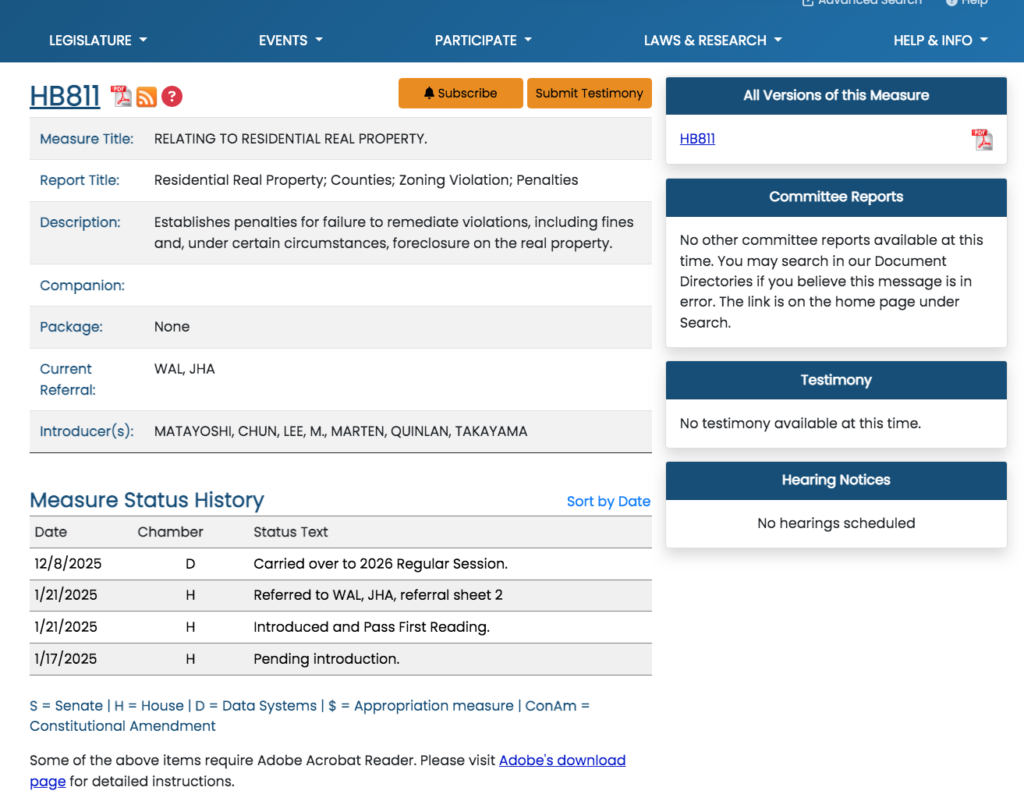
The person who just informed us of HB1900 (2026) also shared HB811(2025).

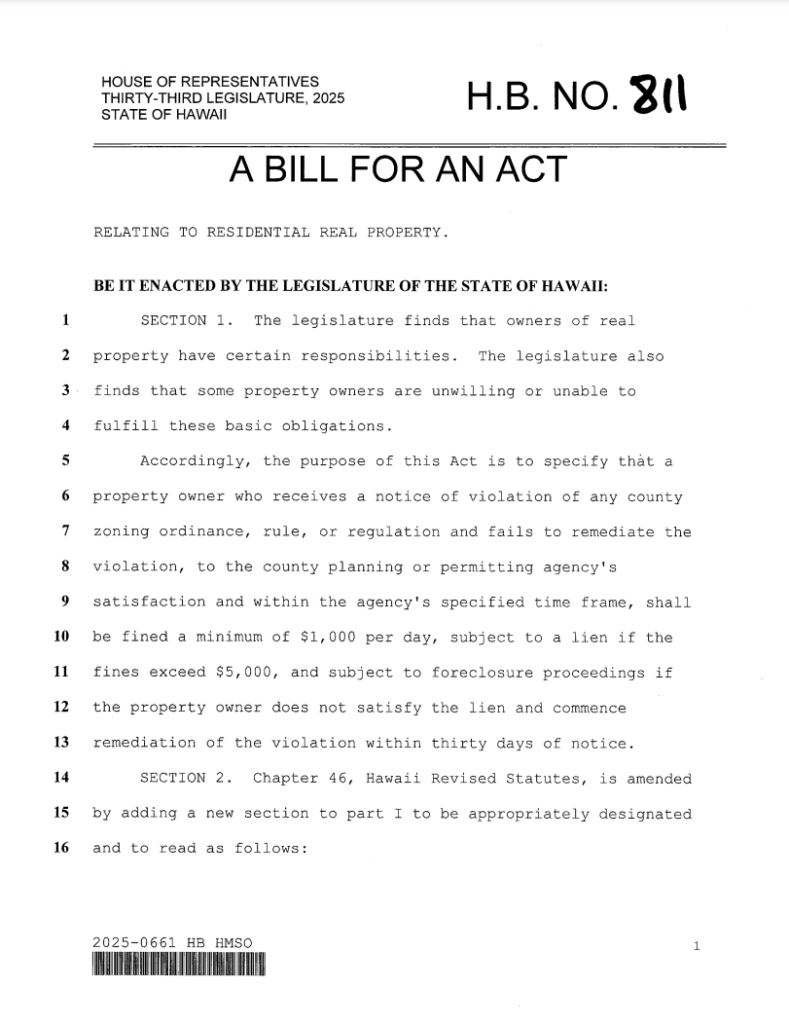
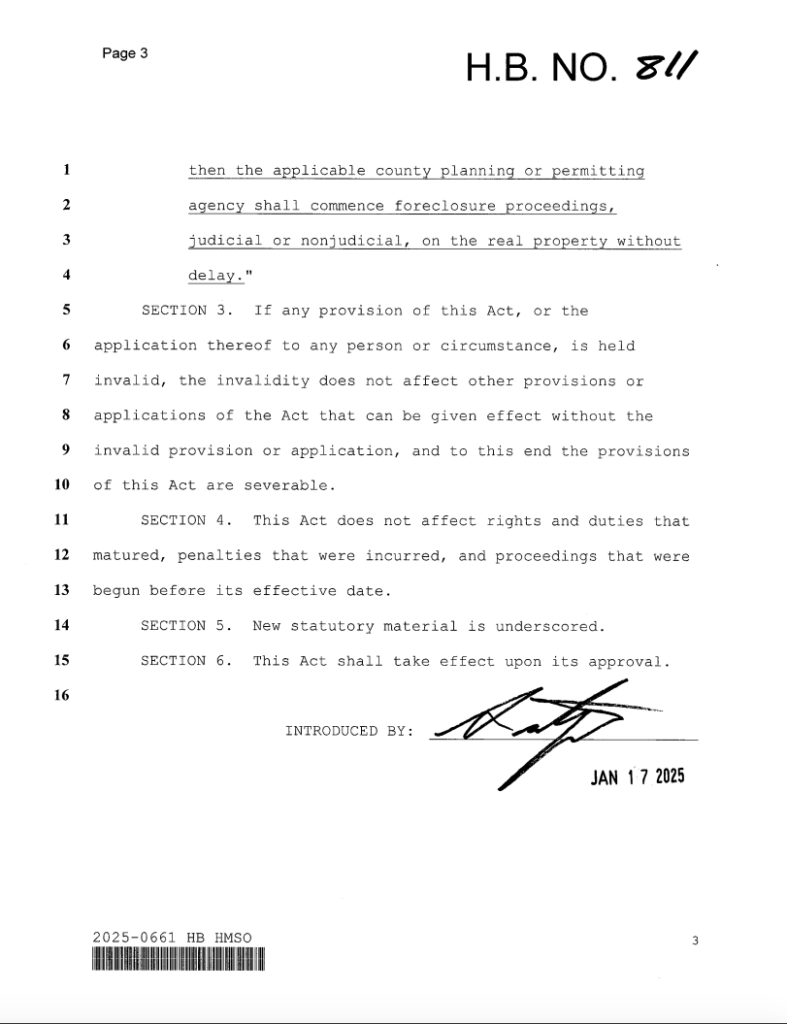
HB811( 2025) too is very alarming and jarring. Who in their right mind think that fines of $5,000 should trigger a foreclosure within 30 days! Who knows how tedious and long it is to work with a county bureaucracy to get a permit for anything?

It’s common knowledge that any one or group can ask a Hawaii Legislator to draft a bill and sponsor it. This is a good democratic exercise for public participation.

However, there should be a litmus test to ensure that basic constitutional civil rights are not violated or infringed upon. Any proposed Bill ought to be for the public good and for the benefit for all Hawaii.

A proposed Bill can’t be appeasing one person or group to the detriment of the rest of Hawaii.

A proposed Bill cannot be a Mafia hit to a single issue because someone/group wants to. The Multiplier Impacts as well as Unintended Consequences on different levels of any proposed bill ought to analyzed and discussed intelligently BEFORE introduction.

I cannot recognize the signature of the legislative introducer. But the record shows the Introducers of HB811 as ( GANG OF SIX)

Introducer(s):MATAYOSHI, CHUN, LEE, M., MARTEN, QUINLAN, TAKAYAMA

I would like to know what’s their heads? Does any one of them own property or know what it’s like to own a property? Why waste taxpayers’ money to write this type of pilau bill? Does the introducer even know a typical home in Hawaii is $1M? Most of our local families are not born with a silver spoon in their mouth. They work hard to own a house that they can call their own. Why turn their own constituents into a sitting duck for the long arm of the government? It’s never a good idea to give the long arm of the government more powers.

The above (2025) HB811 looks like an early draft to HB1990 (2026) which is sailing through quietly at the State Capitol as of this writing.

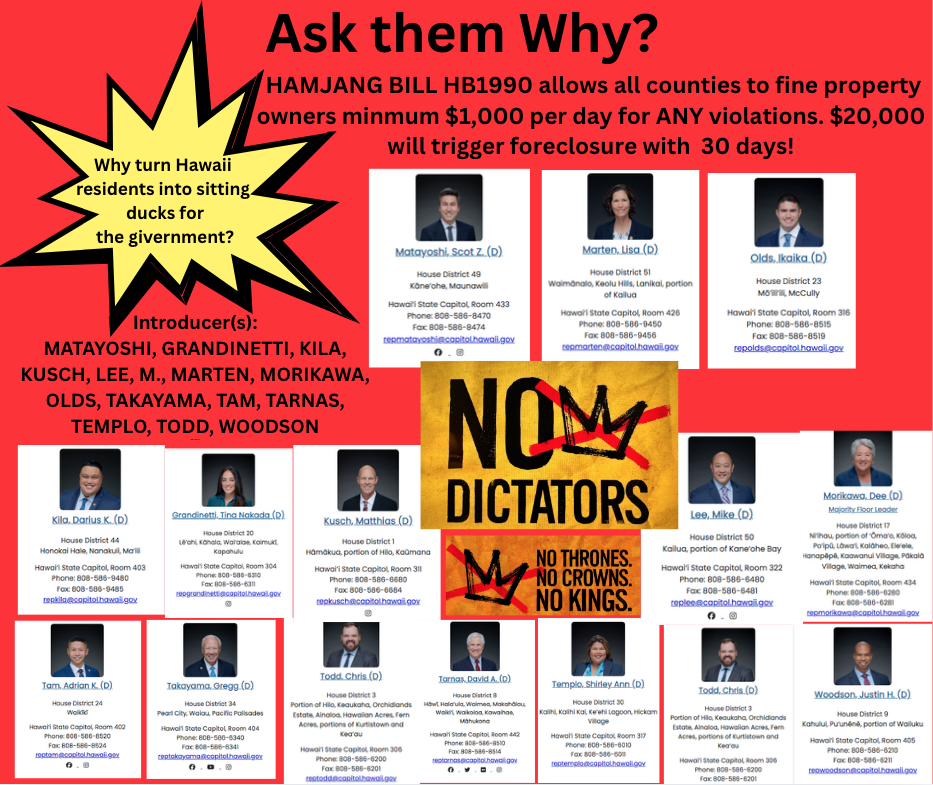
Note they’ve added a few more legislators to sign into it. GANG OF 14.

Introducer(s):MATAYOSHI, GRANDINETTI, KILA, KUSCH, LEE, M., MARTEN, MORIKAWA, OLDS, TAKAYAMA, TAM, TARNAS, TEMPLO, TODD, WOODSON

2026 also has another similar Trojan Horse in HB1861. The Introducers are recorded as (GANG OF 4)

Introducer(s):QUINLAN, MARTEN, MATAYOSHI, OLDS

Did you legislator tell you about this possible sea-change?

Do you know what’s going on? Has any of your legislators disclose this drastic actions to you? The common denominator for repeat introducers is QUINLAN, MARTEN, MATAYOSHI, OLDS, CHUN*.

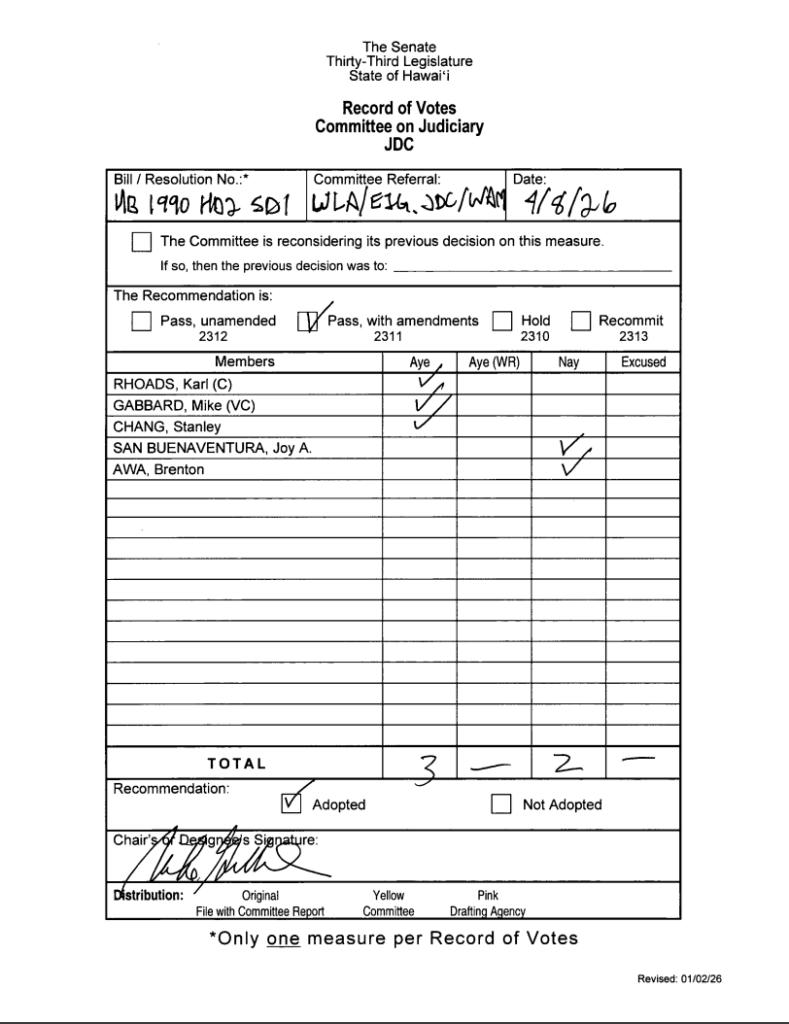
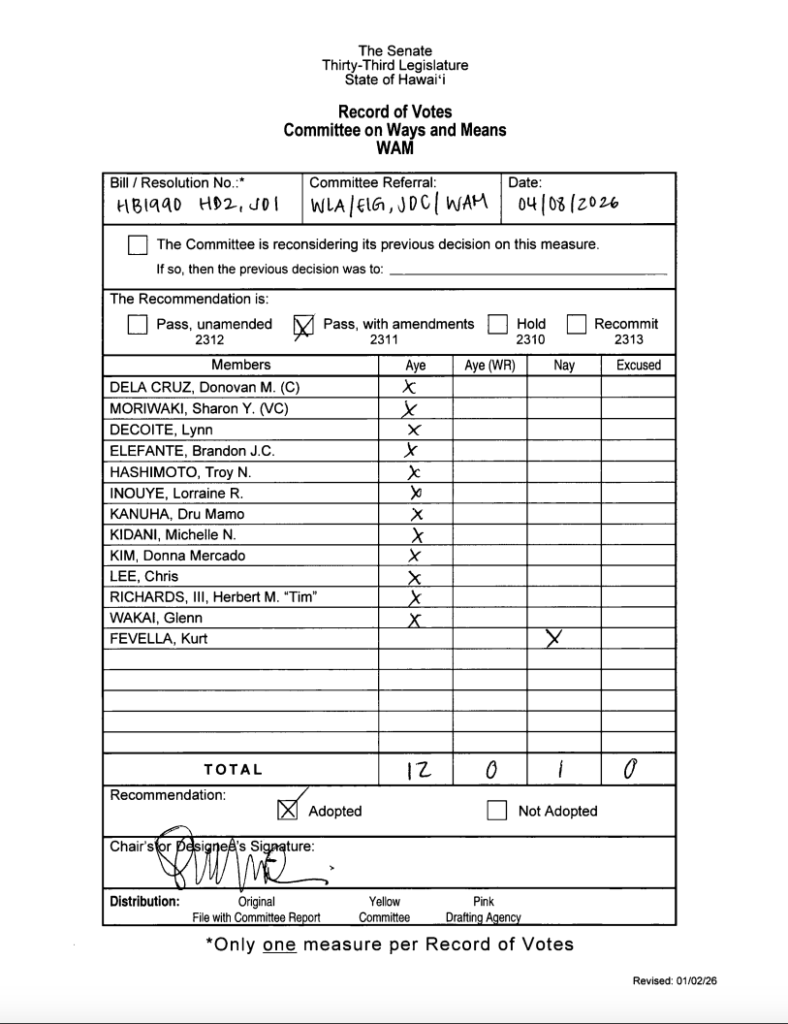
What’s just as alarming is that these Capitol Committee Chairs have the tendency to simply get along to move along to the detriment of the public. They spill out the same old illogical phrases – “This Bill deserves more conversation” or “This deserves more discussion” or “This deserves more dialogue”. They cherry-pick what they want to hear and do. They usually prepare the “amendments” before hand. So the Committee Chair will pass it out to the next chain for the sake of “more conversation”.

How can a conversation work for the constituents with a 2-minute testimony? How does a conversation work for the 99.9% public who cannot attend these hearings?

Shouldn’t these discussions/dialogue/conversations happening with the grassroots constituents first?

First, constituents need to know about these Bills. Constituents need to know about these Bills BEFORE they are introduced and put on the fast track to adopt. After-the-Fact laws is sneaky and undemocratic.

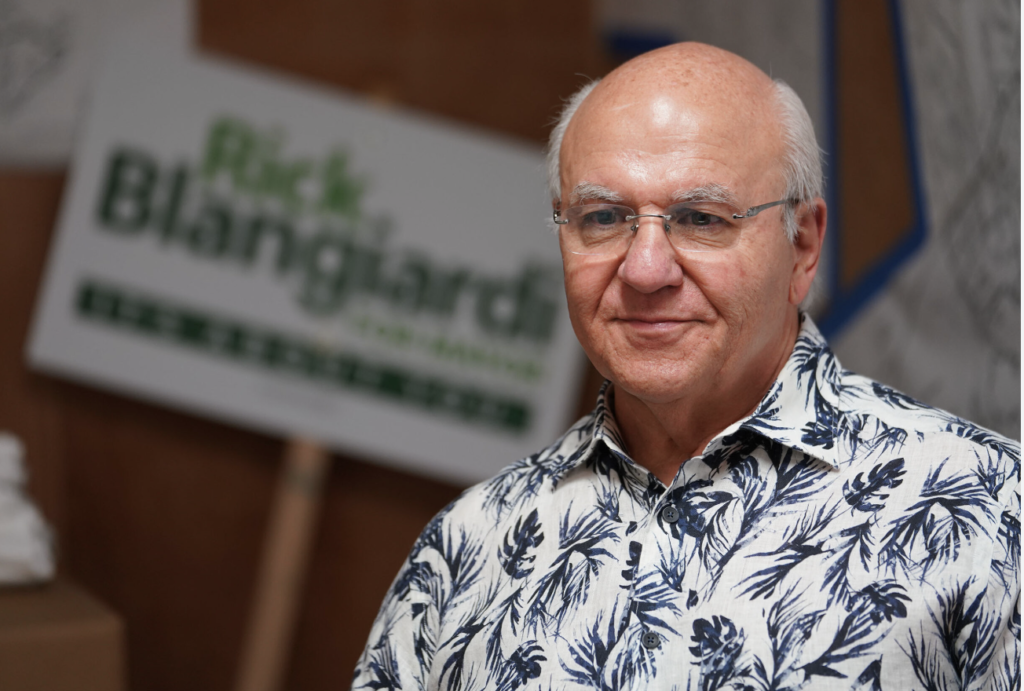
All these new civil fines and foreclosures began with Honolulu Mayor Blangiardi in 2021. He persisted each subsequent year until Representative Corey Chun of Waipahu because the sole introducer of similar agenda in 2025.

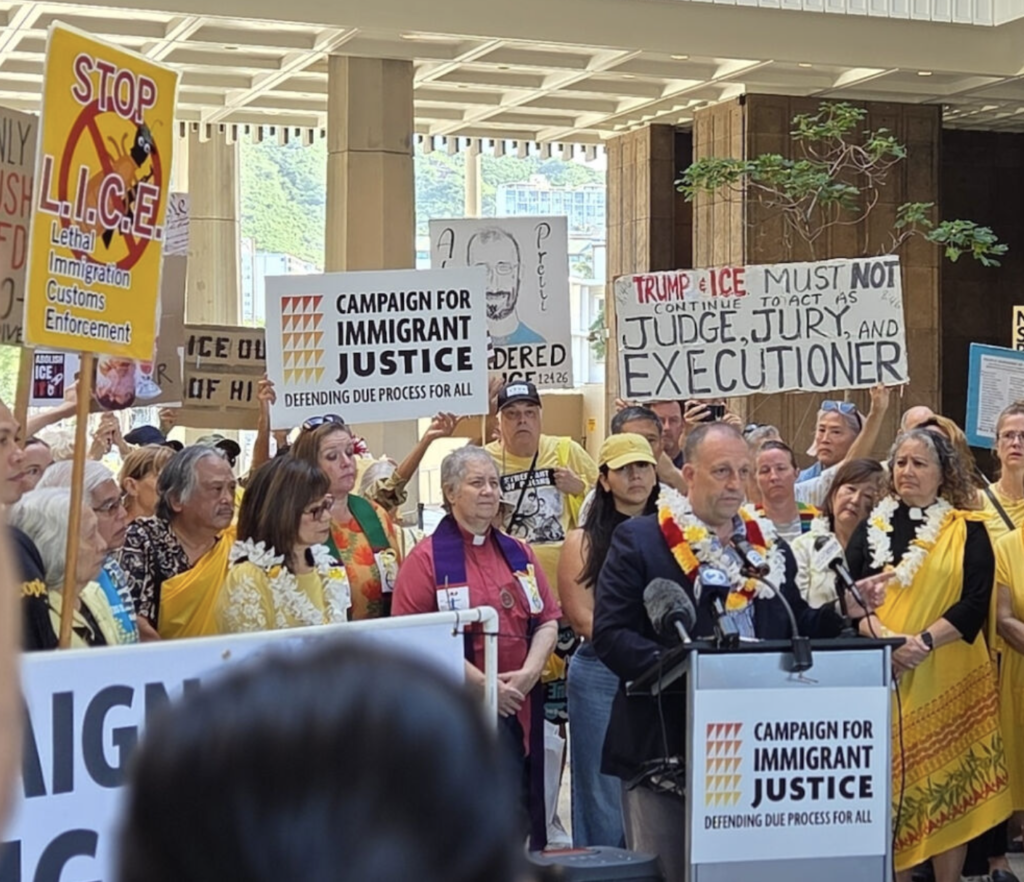
“NO KINGS” “NO TYRANTS” protests nationwide today.
But the Hawaii State Legislature HB1990 to fine residents $1000 a day and quick foreclosure is secretly sailing through.

We are trying to stop HB1861 with the same agenda. But we did not know about HB1990. It feels sneaky. Why no disclosure of these significant changes that affect the lives of residents. Ordinary residents shouldn’t have to bird-dog politicians to make sure they do us no harm or just introduce hamajang Bills!

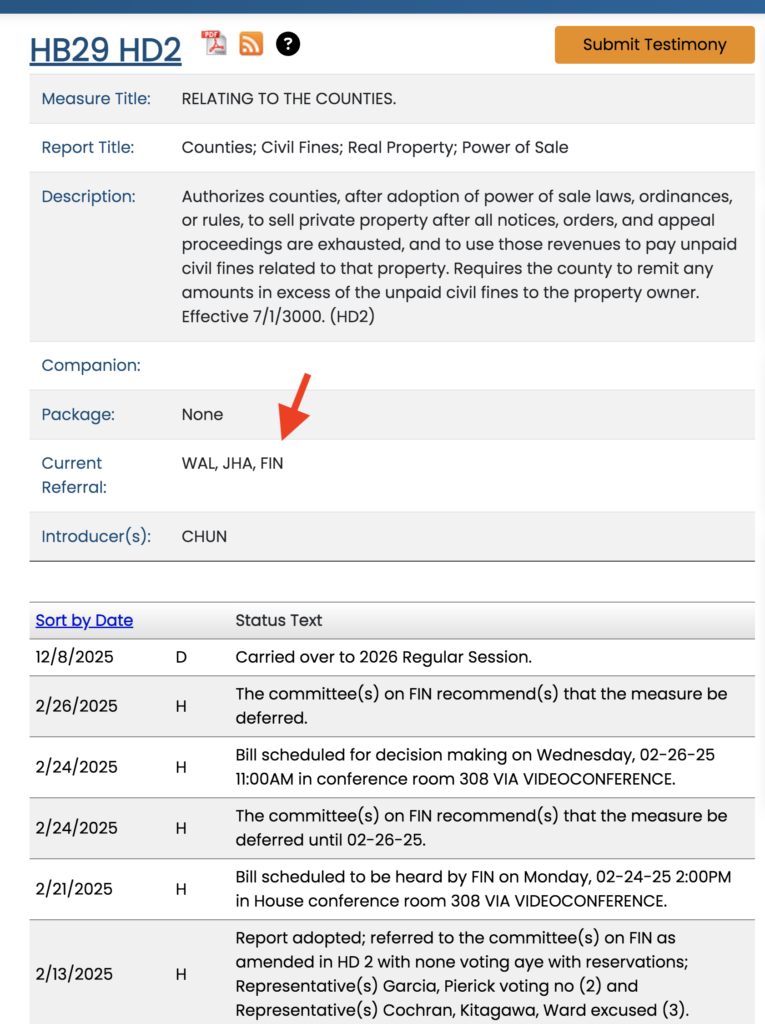
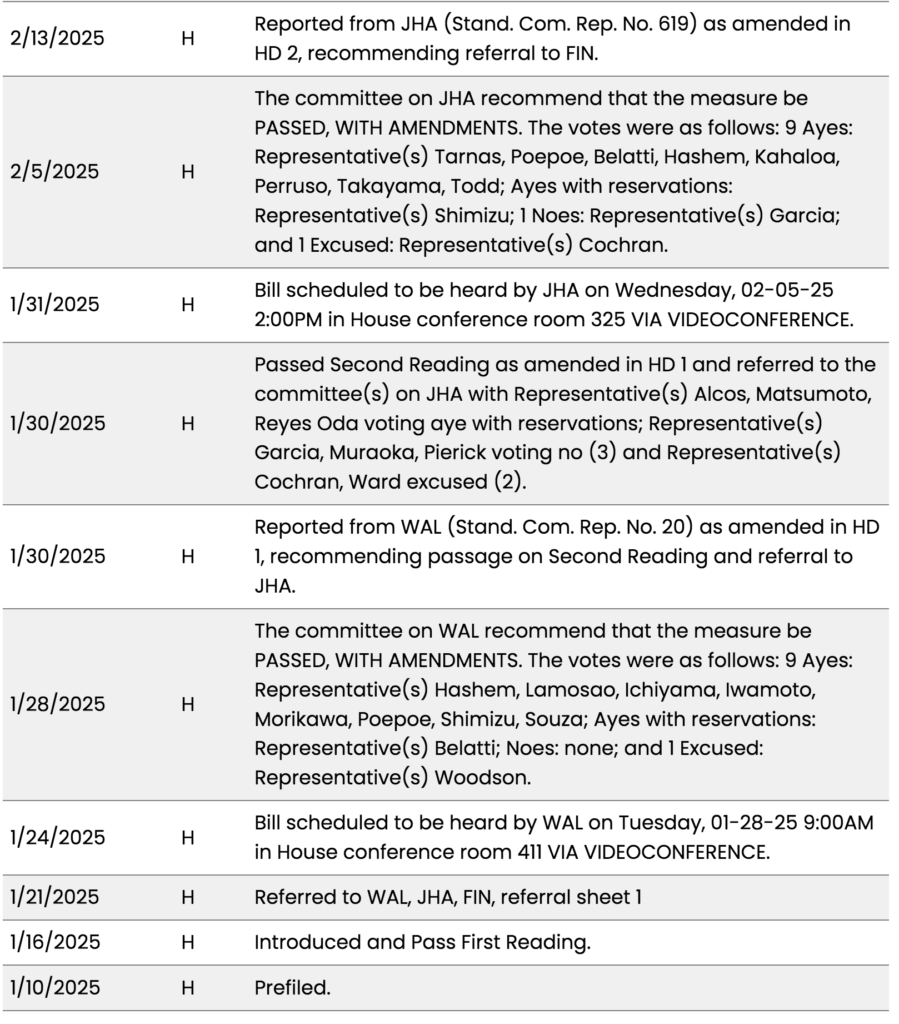
This agenda to have a new foreclosure powers through new county fines was initiated by Mayor Blangiardi in 2021. Blangiardi pushed every year. In 2025, a similar Bill 29 was introduced by House Representative Corey Chun of Waipahu.

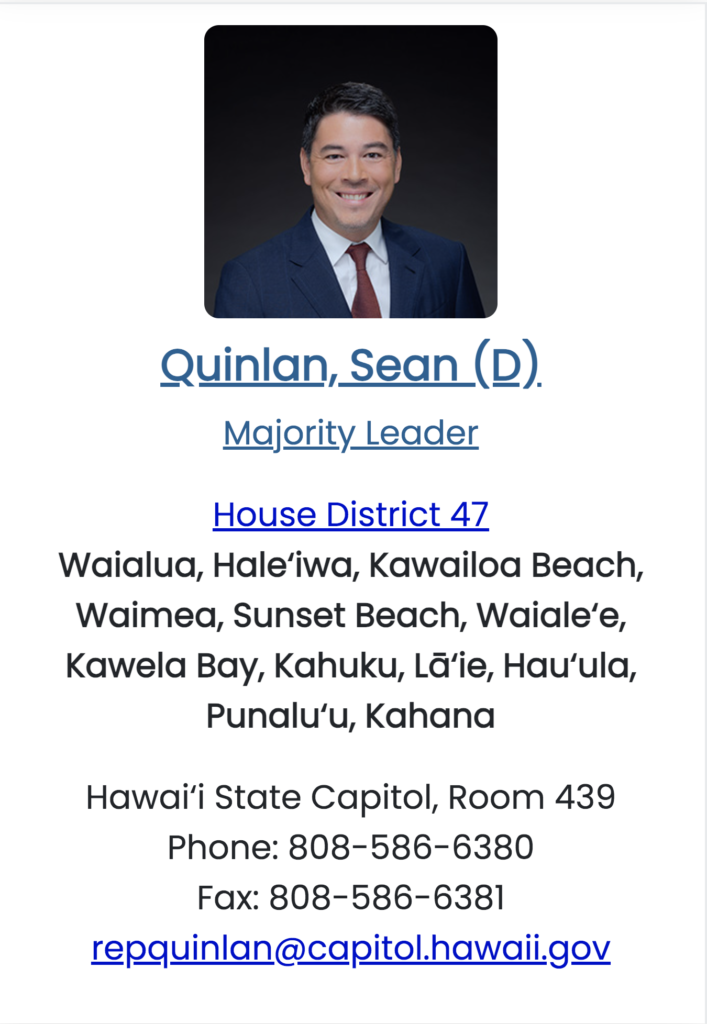
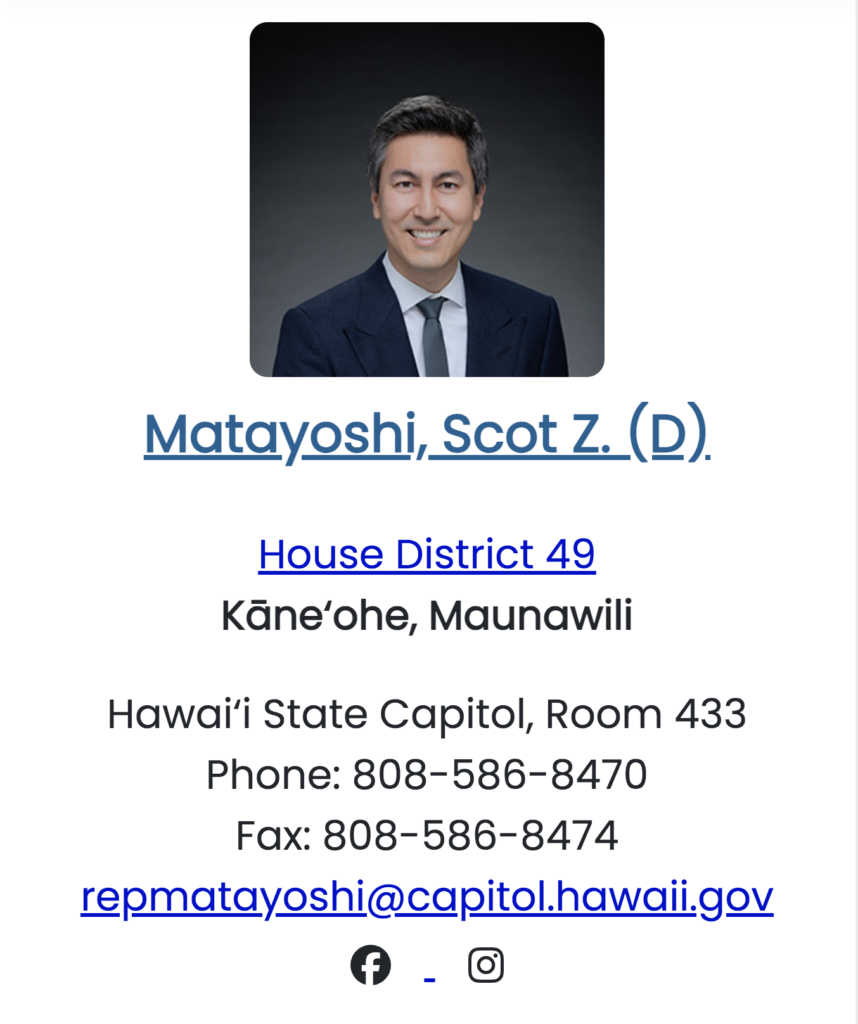
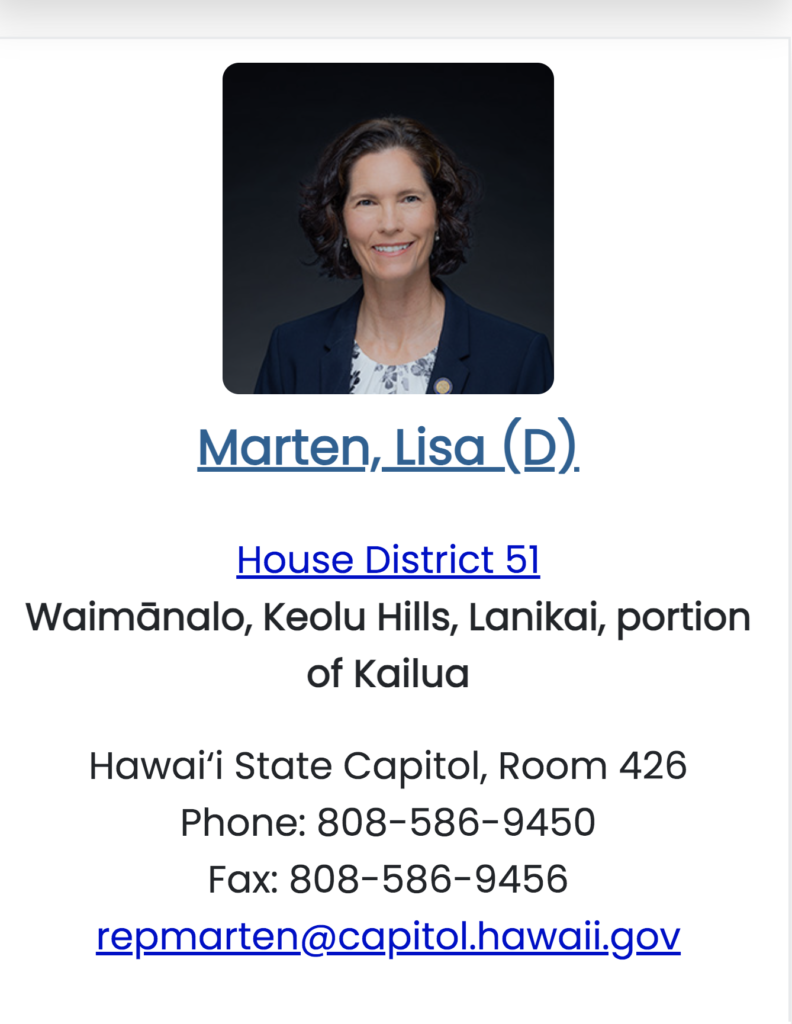
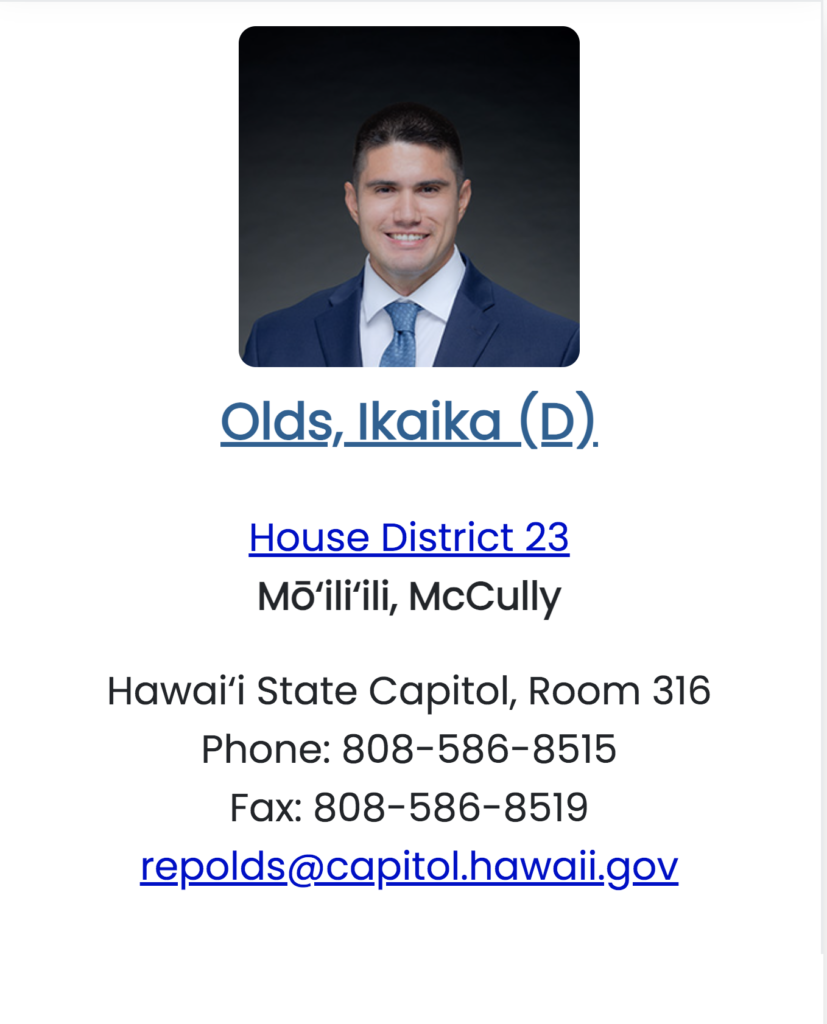
This year, HB1861 was introduced by four (4) House Representatives – Sean Quinlan, Scott Matayoshi, Lisa Marten and Ikaika Olds.

Unfortunately, while ordinary residents were stopping HB1861, there was a concurrent BILL HB1990 sailing through. We heard about it a day ago! What a devious system! Three of the 4 Introducers for HB1861 are also introducers for HB1990 – Scott Matayoshi, Lisa Marten, and Ikaiko Olds. ( Sean Quinland’s name is no longer here.)

This unconstitutional agenda has been ongoing and initiated by Mayor Blangiardi since 2021. Blangiardi pushed every year. In 2025, a similar Bill 29 was introduced by House Representative Corey Chun of Waipahu. 2026 brought new and more introducers!

Colleen Hanabusa dies at age 74 – – 1951-2026

This is a reprint from The Honolulu Advertiser for educational purposes. ( We added extra links from other publications for more information.)

By Dan Nakaso and Andrew Gomes

March 6, 2026

STAR-ADVERTISER / JAN. 8, 2018
                                U.S. Rep. Colleen Hanabusa formally announces she is running for governor during a gathering on the east lawn of the State Capitol building with dozens of her supporters in 2018.

STAR-ADVERTISER / JAN. 8, 2018

U.S. Rep. Colleen Hanabusa formally announces she is running for governor during a gathering on the east lawn of the State Capitol building with dozens of her supporters in 2018.

Colleen Hanabusa, a formidable Hawaii politician and prominent labor lawyer from Waianae who served in Congress but failed to become Hawaii’s governor and Honolulu’s mayor, died early Friday morning at the age of 74.

Hanabusa had been hospitalized for five months with cancer, her family said.

Gov. Josh Green ordered the U.S. and Hawaiian flags be flown at half-staff at the state Capitol, all state offices and agencies, and all Hawaii National Guard facilities in honor of Hanabusa, a former U.S. representative and president of the state Senate who more recently chaired the board of the Honolulu Authority for Rapid Transportation.

Colleen Opens in a new tab Hanabusa dedicated her life to serving the people of Hawaii Opens in a new tab — from the Waianae Coast she proudly called home, to the halls of the Hawaii State Capitol and the United States Congress,” Green said in a news release. “She broke barriers as the first woman to serve as President of the Hawaii State Senate and spent decades advocating for her community with strength, determination and heart. Her legacy of leadership and public service will continue to inspire generations to come.”

Honolulu Mayor Rick Blangiardi, who appointed Hanabusa to the HART chair, said in a statement, “Hawaii has lost a remarkable leader, and we all have lost a friend. Managing Director Mike Formby and I had a close relationship with Colleen, and she dedicated her life to serving the people of Hawaii with intelligence, determination, and an unwavering sense of purpose.”

City & County of Honolulu flags also will be lowered today through Sunday to honor her.

Hanabusa ended her political career at HART after she, Blangiardi and Lori Kahikina — HART’s executive director and CEO — proposed truncating the route to regain the confidence of the Federal Transit Authority, got long-awaited federal dollars flowing back to the project and opened the first leg of the Skyline system in June 2023.

Asked why Hanabusa would agree to serve as an unpaid volunteer while the rail project faced intense criticism at home and in Washington, D.C., Blangiardi told the Honolulu Star-Advertiser on Friday that “It speaks volumes about her. What it says is that she put Hawaii first.”

Kahikina said, “On behalf of myself and the entire HART Ohana, we are deeply saddened by the news of Colleen Hanabusa’s passing. My deepest sympathy goes out to the Hanabusa ohana. I greatly appreciate her contributions to the Honolulu rail project, and respect and admire her work as a tireless advocate and public servant. HART extends its sincere condolences to all who had the privilege of knowing Colleen.”

Hanabusa was born May 4, 1951, and raised in Waianae where her great-grandparents worked on a sugar plantation and her family later established a service station, Hanabusa Service, in 1948.

Because her parents, June and Isao, devoted so much time to the family business, Hanabusa was raised largely by her maternal grandmother.

After graduating from St. Andrew’s Priory in 1969, Hanabusa earned a bachelor’s degree in sociology and economics from the University of Hawaii in 1973, and followed it with a master’s degree in sociology in 1975 and then a law degree in 1977 also from UH.

As a labor lawyer during the 1980s and early 1990s under her married name at the time, Colleen Sakurai, Hanabusa represented some high-profile clients who were politically powerful and others who were politicians or intersected with politics.

Clients from that time included the Hawaii Teamsters Union in a legal fight to represent state corrections officers, and the Hotel Employees and Restaurant Employees Local 5 union in a dispute over picketing during a statewide hotel strike.

Hanabusa also represented Honolulu City Council members in a 1993 legal skirmish with then-Mayor Frank Fasi to stop him from using Oahu Neighborhood Board elections as an “advisory referendum” on tax funding for a $2 billion Fasi rail transit plan.

One of those Council members, Arnold Morgado, ran for mayor in 1994cq special election and 1996 with Hanabusa as a campaign strategist and attorney. Morgado lost both times to Jeremy Harris.

In 1998, Hanabusa sought political office herself. She ran for a state Senate seat against Sen. James Aki, the Democratic incumbent who a year earlier had been granted deferred acceptance of a no-contest plea to two felony gambling charges. Hanabusa won the primary and went on to win the general election to represent Nanakuli, Waianae and Makaha.

As a first-term lawmaker, Hanabusa quickly made a name for herself by helping organize the rejection of Margery Bronster as then-Gov. Ben Cayetano’s nominee for attorney general.

Then in 2001, she spearheaded efforts to reform state civil service laws, an action that stirred up politically powerful public worker unions.

“While the effort won quick public praise, it immediately drew the opposition of public employee unions, and Hanabusa, although being a labor lawyer, was never a favorite daughter of the public unions,” Honolulu Star-Bulletin reporter and political columnist Richard Borreca wrote in a column a few years later.

Hanabusa caught some heat and tangled with Cayetano again a few years later over legislation she introduced to provide Jeff Stone, developer of Ko Olina Resort & Marina, with $75 million in state tax credits to build a “world class” aquarium to enhance the resort.

The Legislature passed the bill in 2002, but Cayetano vetoed it. In response, Hanabusa sued Cayetano and reintroduced the bill in 2003 after Republican Linda Lingle beat then-Lt. Gov. Mazie Hirono to succeed Cayetano. The bill passed again and was signed by Lingle.

A year later, Hanabusa drew flack after it became publicly known that the home she shared at Ko Olina with her fiancee at the time, state Sheriff John F. Souza III, was sold to Souza by Stone, and that Souza also rented an office from Stone that Hanabusa rented from Souza for her law practice. Souza, a friend of Stone’s, had a trucking company that helped build homes at the resort.

Hanabusa, Souza and Stone said at the time that the real estate deals were at market prices and unrelated to the tax-credit legislation. Hanabusa shortly thereafter married Souza. Later, the aquarium project fizzled.

Higher power

While serving in the Legislature, Hanabusa pursued ambitions for higher office that resulted in two unsuccessful runs for Congress that didn’t put at risk her position in the state Senate.

Hanabusa’s first attempt in 2003 was to fill a vacancy representing urban Honolulu created by the death of U.S. Rep. Patsy Mink. Ed Case won the special election featuring 43 candidates. Hanabusa placed third.

Three years later, Hanabusa challenged Hirono to replace Case, who gave up his U.S. House seat representing rural parts of the state in an unsuccessful bid to unseat U.S. Sen. Daniel Akaka.

Touting her deep westside roots, Hanabusa announced her campaign in front of her family’s service station. “I believe I’ve been a loud voice for the people of the Waianae Coast,” she said. “I hope that the rest of the 2nd Congressional (District) will want to see a Waianae girl there.”

The primary election drew nine Democratic competitors. Hanabusa placed second to Hirono, who was born in Japan and moved to Hawaii when she was 8.

As an unrelated sort of consolation prize, Hanabusa was named Senate president in 2007 and became the first woman to lead the Senate or House of Representatives in Hawaii’s Legislature.

Hanabusa had angled for the Senate’s top position for several years, and succeeded despite early negative feedback.

Local historian Bob Dye wrote in a 2001 Honolulu Advertiser column that Hanabusa was told her goal was unattainable in part because she was a freshman at the time but also because she was a woman and had a “take no prisoners” political style.

Hanabusa’s time in the Legislature and as Senate president lasted until 2010 when then-U.S. Rep. Neil Abercrombie resigned to take office as Hawaii’s governor.

Abercrombie’s vacancy in Congress resulted in a special election that was won by Republican Charles Djou due to Hanabusa and Case splitting many Democratic votes, but Hanabusa defeated Djou with 53% of the vote in a regular election five months later to represent urban Honolulu.

Spurn and return

When Hawaii’s revered U.S. Sen. Daniel Inouye died in late 2012 at age 88, Hanabusa as his political protege saw a good opportunity to fill the seat, especially because Inouye before death conveyed his “last wish” for her to succeed him.

Abercrombie, however, as governor would pick Inouye’s interim successor, and named his lieutenant governor at the time, Brian Schatz, to fill out the last two years of Inouye’s term.

Two years later, Hanabusa did not seek reelection to her House seat and instead challenged Schatz for his Senate seat, in what became an intense and bruising showdown.

Some Schatz supporters and Hanabusa critics made a case that Schatz, then 41, was positioned to establish longer-term seniority in Congress compared with Hanabusa, then 63.

Hanabusa discounted the notion, telling the Washington Post, “It’s almost like saying that somebody would be anointed for 40 years.”

Schatz won the 2014 primary election by a narrow margin, and Hanabusa returned to Honolulu to practice law.

Honolulu’s mayor at the time, Kirk Caldwell, quickly appointed Hanabusa to the board of directors of the Honolulu Authority for Rapid Transportation overseeing the city’s overdue and over-budget rail project.

UH also selected Hanabusa to teach a course on civil liberties in times of crisis in 2016 as a visiting scholar funded by the Daniel K. Inouye Institute.

Hanabusa was HART’s board chair until 2016 when she returned to Capitol Hill after easily winning an election to succeed then-U.S. Rep. Mark Takai, who decided not to seek reelection due to cancer that led to his death soon after.

Back to HART

Just a year later, in 2017, Hanabusa declared that she wouldn’t seek reelection to the U.S. House so that she could to run for governor in a bid to prevent then-Gov. David Ige from being elected in 2018 to a second four-year term.

During a televised debate, Hanabusa criticized Ige for his handling of a January 2018 false missile alert from the Hawaii Emergency Management Agency, calling the incident that generated widespread public panic “a systemic failure of leadership” by Ige’s administration.

“You had no plan to begin with, and you didn’t know when something went wrong,” Hanabusa said. “Will you finally take personal responsibility for the missile fiasco?”

Ige won the primary contest, and Hanabusa finished out her congressional term in January 2019.

Out of office once again, Hanabusa mounted a campaign in 2020 to succeed term-limited Caldwell as mayor amid a crowded nonpartisan field of 15 candidates who included former Honolulu Mayor Mufi Hannemann, then-City Council member Kym Pine, former state high school athletics chief Keith Amemiya and former local television station general manager Rick Blangiardi.

Hanabusa finished third in the primary behind Amemiya and Blangiardi, who won the general election. Blangiardi in 2021 reappointed Hanabusa to HART’s board.

On Sept. 23, Hanabusa offered her letter of resignation to Blangiardi, effective Sept. 30, following her absence from the August HART board meeting. In the letter she said she could no longer effectively serve on the board where her term was to have run through June 30, 2026.

“Colleen and I once stood on opposite sides of a mayoral race, but what grew from that experience was a relationship built on mutual respect and friendship,” the mayor said Friday. “I came to appreciate her insight, her honesty, and her deep commitment to this community. I was grateful when she agreed to serve as Chair of the Honolulu Authority for Rapid Transportation Board. Her leadership and steady guidance were instrumental during an important time for the Skyline project.”


Hanabusa is survived by her husband John Souza.

Star-Advertiser reporter Peter Boylan contributed to this report.

Hawaii Legislators Introduce House Bill 1861 to Deny Due Process to ALL Counties

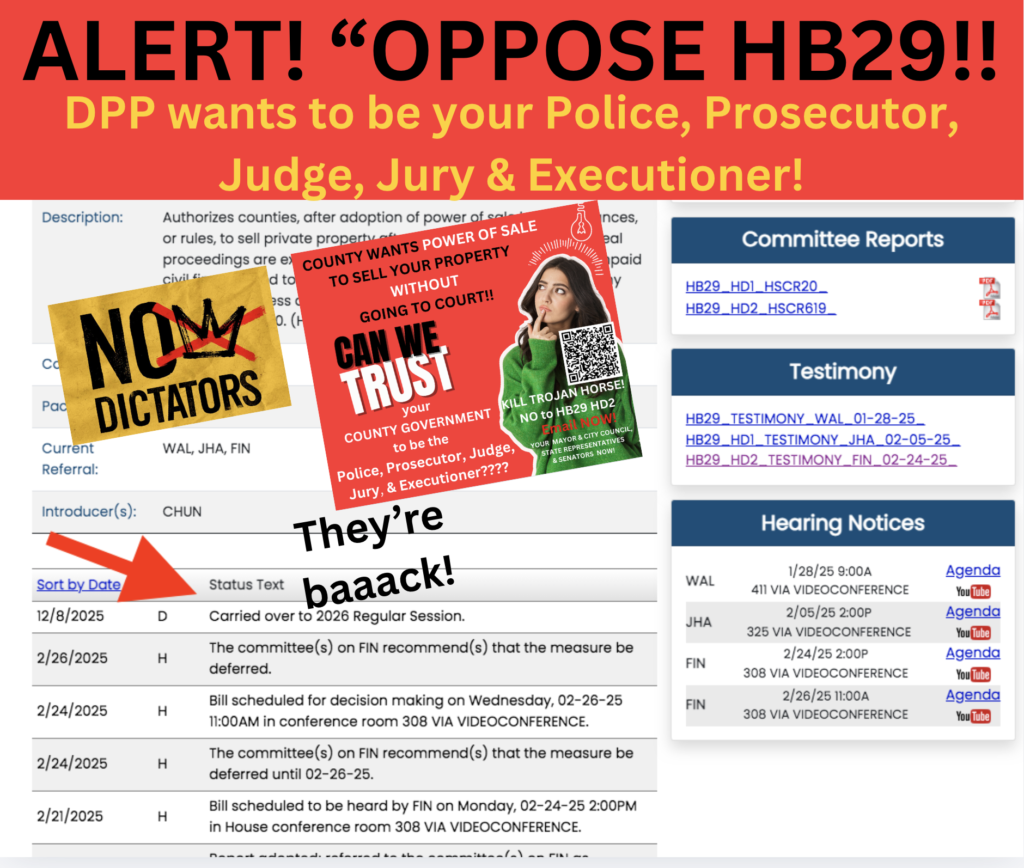
Hawaii Legislators want to remove DUE PROCESS from Private Property Rights through HB1861 aka HB29. New NON-Judicial Power of Sale to seize private properties based on county fines. No court. Just Non-Judicial Foreclosure.

On the other hand, Democratic Party affiliated protesters organized nation-wide civic resistance – “No Dictators” protests against the Trump administration’s policies relating to civil rights, Due Process and democracy in October, 2025.

Such rallies were held the Hawaii State Capitol and neighbor islands including Hilo, Waimea, Kona, and Kahului.

I

n January 2026, these four Hawaii Legislators (below) want to remove DUE PROCESS from private property owners through HB1861 aka HB29.

This unconstitutional Tyranny agenda began with Honolulu City County in 2021. The Blangiardi Administration introduced NON-Judicial Power of Sale as a County Legislative Package in 2021. The Department of Planning and Permitting (DPP) gets to issue violations, to place fines and to seize property without no Due Process of going to court.

Who wants to give more powers to the long arm of the government? Who wants DPP to be the Police, Prosecutor, Judge, Jury, and Executioner?

Private Property owners will be stripped of Due Process if these non-judicial Power of Sale Bills are adopted by the Hawaii State Legislature this year.

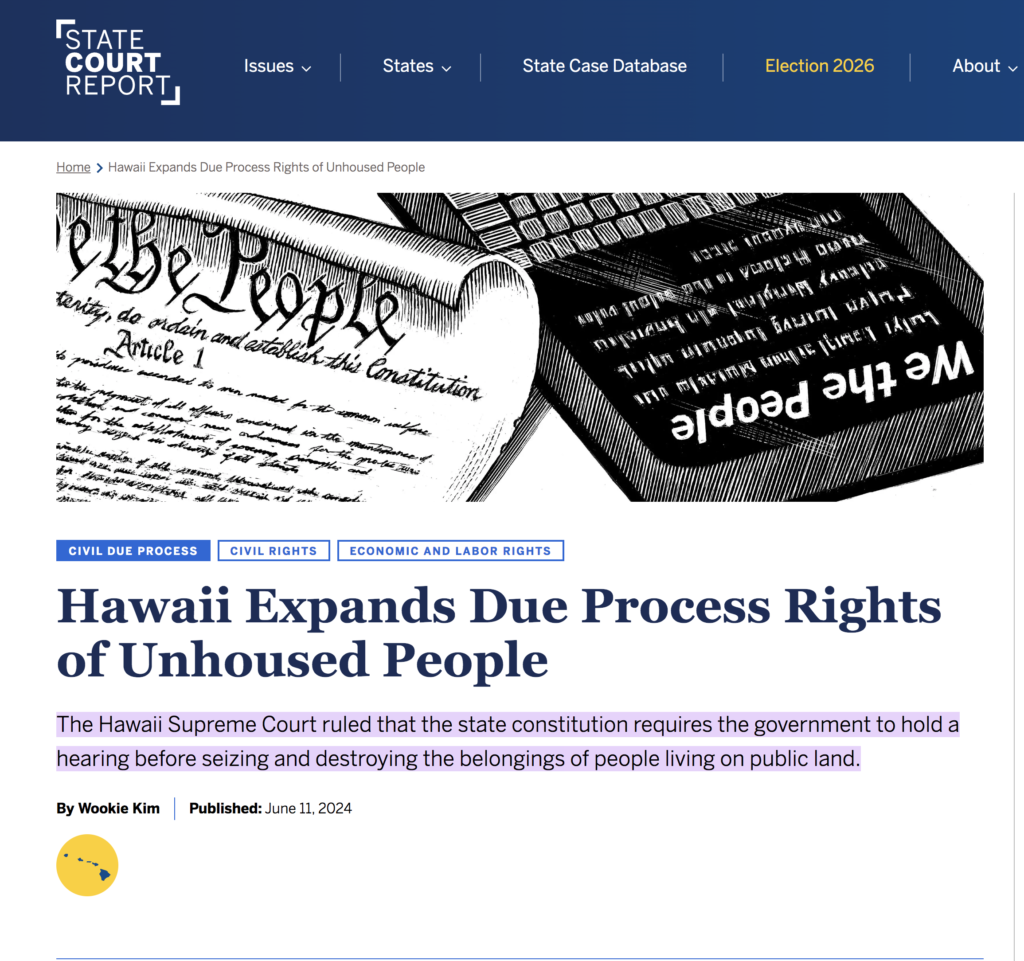
It’s ironic that the Unhoused now has more rights than ordinary private property owners and renters if non-judicial Power of Sale based on county civil fines is adopted through HB1861 aka HB29.

Below excerpt is for educational purposes.

The Unhoused is guaranteed an expanded Due Process Rights while private property owners will be denied Due Process in court.

Due Process in Hawaii is fundamentally guaranteed by Article I, Section 5 of the Hawaii Constitution, protecting life, liberty, and property from arbitrary government action. It ensures fair legal proceedings, including the right to counsel in specific cases, and has been recently applied to protect the property rights of unhoused individuals and the rights of parents in child protective proceedings.

Wookie Kim is the legal director of the ACLU of Hawaiʻi, which represented the plaintiffs in Davis v. Bissen.

On September 20, 2021, a group of unhoused people living near Kanahā Beach Park in central Maui were awakened by police officers and other Maui County workers armed with forklifts, dump trucks, and other heavy machinery. Wielding the threat of arrest and prosecution for criminal trespass, they forced everyone living in the park to leave immediately — with or without their personal belongings.

The county seized everything that was left behind. All told, the county impounded dozens of vehicles and immediately destroyed tons of property, including tents, clothes, pots and pans, child car seats, strollers, and water tanks.

Earlier this year, the Hawaii Supreme Court unanimously ruled in Davis v. Bissen that the county’s actions violated the due process rights of the people whose property was seized.

In an opinion authored by Justice Sabrina McKenna, the court held that “unabandoned possessions of houseless persons” were a “classic form” of property protected by Article I, Section 5, of the state constitution, even if such property was in a public space. The private interest at stake was “significant,” the court said, and the county’s “unchecked decision to seize and destroy the plaintiffs’ personal property posed a high risk of erroneous deprivation of property.” 

Moreover, the court held, because “the county’s plan was to destroy (instead of store) seized property,” it could not carry out the sweep without first conducting a “contested case” hearing under the Hawaii Administrative Procedure Act. A contested case hearing is a proceeding before the relevant agency (here, Maui County) in which the agency considers evidence, hears testimony, allows for cross-examination of witnesses, holds oral arguments, and renders a decision about the legality of a planned action, much like a court proceeding.

Here, the plaintiffs had formally requested such a hearing before the sweep occurred, but Maui County ignored those requests. As later court filings would reveal, the county’s stance was that it did not need to hold any hearings. Why? Because, it maintained, unhoused people’s property was “on government property without permission and in violation of trespassing laws” and, therefore, was not protected by due process in the first instance. But, as the court’s decision confirms, one does not forfeit due process protections simply by leaving property in a public space.

The ruling paves the way for a potential first: the holding of a contested case hearing before a local government conducts a sweep of a houseless encampment. While such a hearing would be routine for, say, a landowner challenging the state’s decision to bulldoze a home erected on her property, to my knowledge no municipality in the country has ever held or been required to hold such a robust hearing before destroying the property of unhoused people. While the plaintiffs in this case may only get a post-deprivation hearing on remand, going forward unhoused people in Hawaii may be entitled to a full-blown contested case hearing before a planned sweep.

This could have significant practical effect on the lives of an immense number of people in Hawaii: As of 2023, there were 6,223 houseless people in in the state. Native Hawaiian women, including two of the four plaintiffs, are disproportionally impacted by Hawaii’s housing crisis. Maui County uses sweeps to force — or, as Honolulu officials euphemistically describe it, “gently coerce” — unhoused people into pulling themselves up by their bootstraps. (Never mind that many unhoused people in Hawaii are employed, including all but one of the plaintiffs in this case, who work in service jobs tailored to Maui’s tourism industry.) Rather than helping people get off the streets, sweeps only perpetuate the homeless crisis.

Beyond its practical impact, a state supreme court win squarely vindicating the due process rights of unhoused people also carries symbolic weight. Our legal system structurally disfavors unhoused people: as scholar Wayne Wagner has written, “homeless persons possess fewer and lesser legal rights” than those who live in houses or apartments. Many of our constitutional rights — including those relating to privacy and autonomy — are predicated on owning or having possession of real property, a place to which one can retreat from governmental interference. Further, in lacking access to conventional housing, unhoused people are more likely to be politically disempowered because of difficulties in proving identity or residence when registering to vote. The Hawaii Supreme Court’s declaration that government actors are bound to respect due process for everyone, unhoused or not, at all times, is a victory for the principle of equality under the law.

Finally, the court’s decision is notable not only for its holding but for the way it got there. The court applied what it calls the “state-constitution-first approach” to constitutional interpretation. Under that approach, the court “interpret[s] the Hawaii constitutional provision before its federal analogue.” The court adopted this approach less than a month earlier in State v. Wilson — a case construing the Hawaii Constitution’s analogue to the Second Amendment — to govern how it would resolve cases in which a party “invokes both the Hawaii and United States Constitutions.”

In choosing to interpret and rely exclusively on the state constitution in its Davis decision, the Hawaii Supreme Court has highlighted the “distinct role [of state constitutions] under our nation’s system of federalism” and reminded us, once again, that state constitutions can be as important a source of rights as the U.S. Constitution.

Suggested Citation: Wookie Kim, Hawaii Expands Due Process Rights of Unhoused People, Sᴛᴀᴛᴇ Cᴏᴜʀᴛ Rᴇᴘᴏʀᴛ (Jun. 11, 2024), https://statecourtreport.org/our-work/analysis-opinion/hawaii-expands-due-process-rights-unhoused-people.  

More information about HB1861 aka HB28

KILL House Bill 1861 aka HB29 –  Best-Kept Secret Hamajang to Deny DUE PROCESS to HAWAII 

Hawaii is vigorously protesting “NO KING – NO TYRANT – NO ICE ” to demand constitutional Due Process for all.

Yet, four (4) Hawaii State House Representatives – Sean Quinlan, Scott Matayoshi, Lisa Marten, and Ikaika Olds – have introduced House Bill 1861 aka HB29 to deny DUE Process to all Hawaii counties. 

HB1861 (2026) authorizes counties to sell property through non-judicial foreclosure as a way to collect unpaid civil fines. Owners cannot go to court to explain or protect themselves. Period. Judicial Due Process is denied.

Yet, four (4) Hawaii State House Representatives – Sean Quinlan, Scott Matayoshi, Lisa Marten, and Ikaika Olds – have introduced House Bill 1861 aka HB29 to deny DUE Process to all Hawaii counties. 

HB1861 (2026) authorizes counties to sell property through non-judicial foreclosure as a way to collect unpaid civil fines. Owners cannot go to court to explain or protect themselves. Period. Judicial Due Process is denied.

This stealth anti Due Process agenda has been happening for five years!    

The Honolulu County Blangiardi Administration spear-headed this hamajang in 2021 through House Bill 1434 /Senate Bill 2110  – requesting a new NON-JUDICIAL Power of Sale based on the Department of Planning and Permitting (DPP) civil fines. The Mayor’s DPP Director testified that existing “Eminent Domain” was too slow, took manpower, and resources.

Can you trust the troubled DPP to be your Police, Prosecutor, Judge, Jury, and Executioner?

Look at Kalihi, Kamuki, Kailua, Kaneohe, Kahuku. Look at Waimanalo, Waianae, Wahiawa and Whitmore.  What about Palolo, Mo’ili’ili, Sunset Beach, and Haleiwa? How many residents have turned their garages into extra living space or other additions to accommodate generational living or a little extra income to help pay for their mortgage? Is housing a huge problem in Hawaii?

This ill-thought unconstitutional bill will turn Hawaii’s private property owners and renters into perennial sitting ducks. The long arm of the government will be allowed to create a new source of revenue, bully, do political mischief, or issue violations at will that can morph into significant fines, ripe for non-judicial foreclosure.

Which legislator in 2026 would deny basic Constitutional Due Process Rights (through HB1861) as a  “quick solution” to various issues some Counties have no will to manage.

No amount of contorted promises of “Due Process” through county appeals can justify this sweeping unconstitutional invasion and violation of Civil Rights to all Hawaii. 

HB1861 aka HB29 is burning down a Cathedral to fry an egg.

Give Voice Now. Don’t complain AFTER-THE-FACT. Contact your legislators, Mayors, and City Councils. Elected legislators must stay inside the Constitutional Path for the Public Good.

Kill HB1861 hamajang!

Nothing good can come out by giving the long arm of government MORE new powers to control its people.

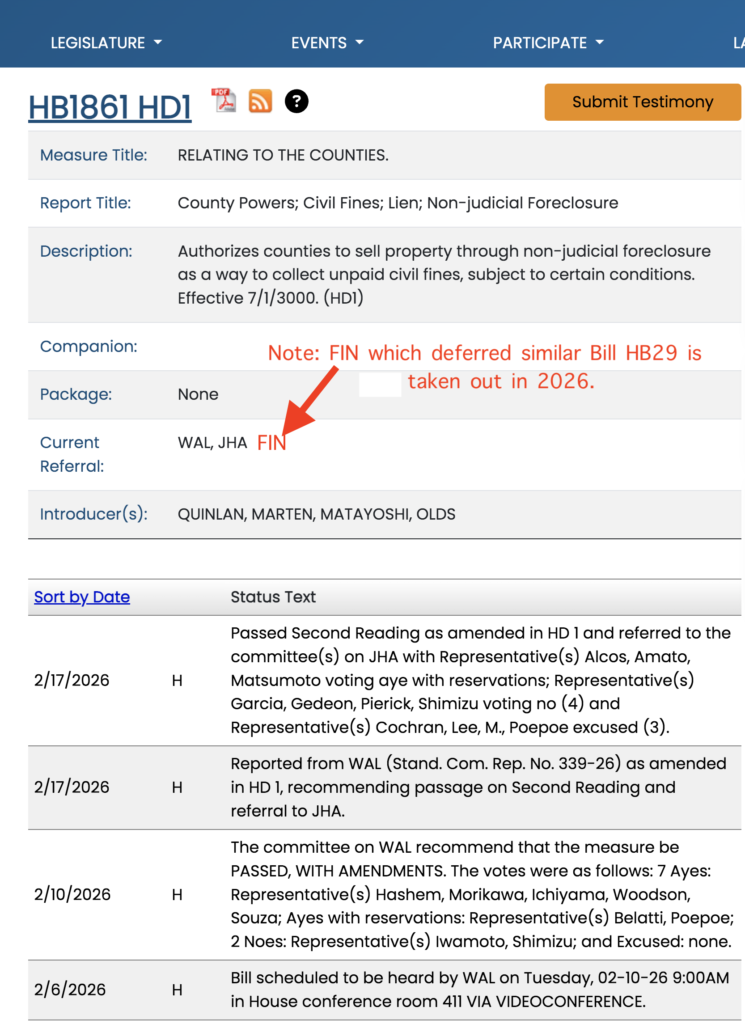
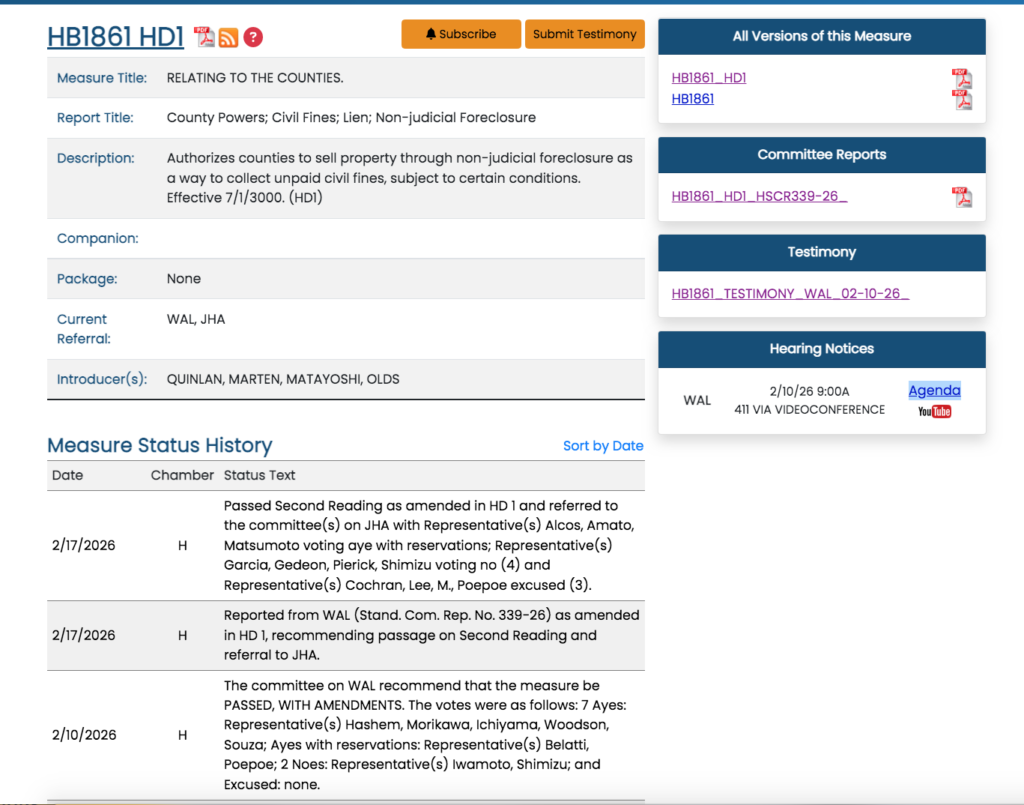
STATUS OF HB1861 ONLY Representatives Garcia, Gedeon, Pierick, Shimizu voting no. “Reservations is a YES vote.”

2/17/2026HPassed Second Reading as amended in HD 1 and referred to the committee(s) on JHA with Representative(s) Alcos, Amato, Matsumoto voting aye with reservations; Representative(s) Garcia, Gedeon, Pierick, Shimizu voting no (4) and Representative(s) Cochran, Lee, M., Poepoe excused (3).
2/17/2026HReported from WAL (Stand. Com. Rep. No. 339-26) as amended in HD 1, recommending passage on Second Reading and referral to JHA.
2/10/2026HThe committee on WAL recommend that the measure be PASSED, WITH AMENDMENTS. The votes were as follows: 7 Ayes: Representative(s) Hashem, Morikawa, Ichiyama, Woodson, Souza; Ayes with reservations: Representative(s) Belatti, Poepoe; 2 Noes: Representative(s) Iwamoto, Shimizu; and Excused: none.
2/6/2026HBill scheduled to be heard by WAL on Tuesday, 02-10-26 9:00AM in House conference room 411 VIA VIDEOCONFERENCE.
1/26/2026HReferred to WAL, JHA, referral sheet 2 (FINANCE COMMITTEE IS DELETED in 2026. FINANCE COMMITTEE DEFERRED SIMILAR BILL HB29 in 2025.)
1/26/2026HIntroduced and Pass First Reading.
1/23/2026HPending introduction.

Choon James for Mayor 2024

In a world of Tic Tok and Instagram 30 seconds soundbites, here are some more reading for those of you who are interested in more information for this Elections.

Im sharing a few excerpts from various printed sources. Choon James for Mayor.

COMMUNITY ORGANIZATIONS/PRIOR OFFICES HELD

Oahu General Plan Working Group; Hawaii2050 Working Group; Koolauloa Sustainable Communities Advisory Planning Committee; Hospital board member; Defend Oahu Coalition–Keep the Country Country; Laniloa Point Community Association, president; Laie Community Association Board; BYU-Hawaii Alumni Association, president; BYU-Provo Alumni Board; Save Oahu Farmlands Alliance; Redhill Water Alliance; Hawaii’s Thousand Friends; Sierra Club; Amnesty International Freedom, writer; Olelo Community Media; CountryTalkStory.com; Friends of South Pass City; International Relief Society Women’s Organization; Young Women Group; Children’s Primary Organization, president; Aloha Council BSA, merit badge counselor; pro bono real estate advisor; immigrants volunteer tutor.

1. What’s the biggest issue facing the City and County of Honolulu and what will you do about it?

Oahu has an oligarchy that holds the power, money, opportunities and decision-making. Too many decisions are made against local residents’ best interests.

Residents are frustrated with the disconnect at City Hall. Property taxes escalated exponentially. Rail costs are out of control. Residents work two to three jobs. Seniors work to survive. Businesses and communities do not feel safe. I’m from Singapore and I know what a safe, clean, beautiful, efficient and thriving city is.  

City Hall cannot be managed by social media narratives that the oligarchy wants us to hear.  

3. In Hawaii, the term affordable housing has lost its meaning. What would you do to help people buy homes or move into rental units?

Change begins with questioning. How many billions of dollars has Oahu received from the federal, state, county and private funding for the past 10 years?

Is Oahu obligated to provide “housing” for every resident who comes here?

What is the definition of a “Hawaii resident”?

How “affordable” is “affordable”?

Short-term “bandage job” or long-term planning for housing?

Why is the “affordable” Kokua Hale building struggling to get renters in Chinatown?

The “Singapore Housing Model” is often quoted by politicians in Hawaii. Singapore has a Central Provident Fund for Education, Health and Housing. All employees pay into this fund. The Singapore government invests this fund and pays positive annual dividends.

Note that Singapore does not have lobbyists or developers or unions as their middleman in its housing agenda.

There is no one magic bullet to “affordable” housing. This is a worldwide problem. Oahu competes with international and out-of-state rich investors due to the U.S. Constitution.

I’ve been in residential real estate for over 30 years. There are preparations needed for qualifications into homeownership or rentals.

“Putting residents first” also means local building. Financial and real estate industries have first opportunities, not out of state, to help Oahu’s housing needs.

5. What should be the future of the Honolulu rail project? How do you to resolve this seemingly endless drain on public money and continuing delays? Should the line continue to Ala Moana as originally planned and how will you keep operating costs under control?

I’m from Singapore and appreciate its efficient rapid transit and related multi-modal transportation.

Rail needs a major re-assessment. As mayor, I will gather all stakeholders back to the roundtable. Independent contracts, legal, cost-analysis, engineering, budget experts and others will be invited. The public will have its say.

There are no sacred cows. No hiding behind or blaming FTA. I have zero donations from lobbyists or PACs. I can be 100% independent.

No managing Skyline through public relations handlers and insulting the public intelligence.

Natalie Iwasa, CPA and certified fraud examiner, and I have been at this for decades. We know what’s going on.

One tragic part of this boondoggle is Oahu can develop “transit-oriented developments” (TOD) without this fiscal black hole.

The city can create “special districts” for developments. Our local construction and building industries can benefit more without this financial albatross and without losing contracts to foreign players.

Oahu cares about climate crisis issues. But the inconvenient information — portions of the route from Middle Street to Ala Moana Center are in the Honolulu sea level rise inundation zone — is ignored. Why?

Oahu needs transformative leadership for our residents first. Our children must not suffer for our mistakes. Let’s work together.

 What should be done to improve policing and police accountability in Honolulu? Should oversight of the police department be strengthened or reformed?

We love our HPD and other emergency personnel. We cannot pay them and their families enough for their public service. These warriors put their life on the line for public tranquility and peace for our communities. They deserve gratitude and respect.

We want our HPD and other emergency personnel to return home in peace each time they step out of their door.

We must provide them with all the resources and training needed. There can be bad apples in every organization. We must deal fairly and legally with alleged wrongdoing with the Police Commission and SHOPO. We all want to protect and safeguard the public trust in these institutions. No corruption can be tolerated.

Oversight and reform is a constant. We must always assess and improve.

This includes working with the prosecution side. The revolving door between crime, arrest and release is frustrating the public and HPD to no end.

Additionally, we must always focus on root causes of crime and other unrest for preventative measures. Residents, businesses and visitors deserve a safe environment. We must all work together to ensure a safe, prosperous and thriving Oahu. We can.

It’s becoming increasingly difficult to fill vacancies on the police department, the parks department and in many other city agencies. The city is struggling to provide basic services. What would you do to solve this problem and attract qualified people to fill essential services?

I’ve been advocating for public interest at Honolulu Hale for over 20 years. 

This “vacancies” angst has been a constant concern all this time. On the other hand, residents say they don’t get a response or they can’t seem to get an interview.

It’s our 10,000 workers who keep the city in operation. The mayor provides the direction and culture. The mayor could be on vacation and not be missed. 

I will always be respectful of all our city employees. I will always support them in their efforts to make Oahu a safe and efficient place. My door will always be open to their ideas and concerns.

The pay and benefits package is a big consideration. The culture and working conditions are also important.

Over $712 million is earmarked for the Honolulu rail this Fiscal 2025. Imagine when we can contain the rail costs and take care of our employees better.

Civil Beat pseudonym Keala_Kaanui regurgitates his falsehoods about the Hauula Fire Station Relocation Project again. What’s the motive?

It’s Elections Time again! Civil Beat allows Candidates to answer their questions.

Choon James’ answers to Civil Beat’s Questions & Answers can be found here.

What is puzzling is that pseudonym Keala_Kaanui, perhaps the most prolific daily commenter for Civil Beat, is allowed to continue to post fake news like this:

Keala_Kaanuii: The great irony of someone lauding the first responders, who spent a good five years trying to prevent the City from building a badly needed new fire station because she realized she could have negotiated a higher price for her vacant parcel of land after she had signed the contract. Choon forced the city to spend thousands of dollars to condem the property after she tried to back out…

But, here is a quick summary collected by a supporter:

Hawaii Fire Station Relocation Controversy YOU-TUBE #1.

This youtube is a must to watch. Once you watch this, you will get how off-base Civil Beat pseudonym Keala_Kaanui continues to be.

The Hauula folks were authentic in their opposition towards this project. Choon James sided with the Hauula folks. There was no legal contract to sell to the City.

The Honolulu City Council deleted the budget for this project for five years. Yet Mayor Caldwell fought on. In the end, the Hauula folks even correctly predicted who the contractor was for this project.

The community of Hauula did not want a new fire station that the Laie Community Association was pushing and testifying for. Hauula felt that it was a public facility checklist for Laie to pursue more developments like Envision Laie. Public facilities like a fire station is not a profiteering project. Just like the Kahuku Police Station is not a profiteering project.

Hauula wanted to keep the two remaining Commercial-zoned parcels for Recycling and small business. They and the homeless people depended on the Recycling. The homeless would collect in the area and then buy themselves a hot meal with their profit.

“Public Use” can also be very arbitrary. In the case of the Hauula Fire Station Relocation in the rural town of Hauula. The people overwhelming were against it. But Mayor Kirk Caldwell bullied his way through despite the city council of Honolulu continuously deleted the funding.

Hawaii needs to know that Mayor Kirk Caldwell SECRETLY siphoned $1.4 Million (in August 2014) from Community Development Block Grants (CDBG) funds for homeless shelter renovations such as Hale Pauahi in Chinatown to “plan and design” his Neiman Marcus firehouse in rural Hauula.

The City Council had deleted and defunded the extravagant project for 5 years but Caldwell is fixated on this $13M relocation project that will not increase personnel or area of service. The relocation project will decimate the last two commercial lots that locals want to keep for Recycling as well as other business start-ups. Ironically, the homeless in Hau’ula sustain themselves by recycling daily to buy themselves a hot meal. Caldwell governs by misguided agenda, not sound public policy.

Condemnation Honolulu Style – You-Tube #2

This is another compulsory watch.

Honolulu City Council adopted Resolution to condemn two commercial lots on February 24, 2010. This process was advanced in 42 days. It’s Hau’ula today, are you next? Do you live along the Rail Transit route?

UPDATE:  The legislative Honolulu City Council has not funded the project since 2011. But Mayor Kirk Caldwell is still pursuing eminent domain by alleged necessity in court. http://www.kitv.com/news/1200-signature-petition-protests-plans-for-new-hauula-fire-station/25103002#!bmO9B4 The city ‘expert witness’ is saying they need a fire station to bring in bigger – from 8′ x 25′ to 8′ x 32′  fire engines! Hello! The garbage trucks are already having a tough time with our country roads. This is going from ‘ridiculous’ to ‘insane’.

Update: May 15, 2010 Mufi Hannemann city corporation attorneys have filed lawsuit against owners for possession of the land.. Owners have filed lawsuit against city. What a waste of taxpayers’ money in today’s budget crisis!

Update: Owners subpoenaed city officials but Mufi Hannemann’s attorneys quashed on basis that public officials are very busy; owners are a nuisance, harassing and inconveniencing these officials. Ironically, on their way home to Hauula, owners saw Bryan Mick – City Community Relations sign-waving for Mufi Hannemann in front of Nimitz City Mill at 11:34 am August 11, 201

Here’s more information:

Woman Criticizes Honolulu’s Government, Has Her Protest Signs Bulldozed

Nick Sibilla Senior Contributor Institute For Justice

Updated Sep 1, 2014, 10:36am EDT

This article is more than 10 years old.

How people respond to criticism can reveal a lot about their character.  Some might try to debate or reason with those they disagree with.  Others prefer to ignore critics.  City officials in Honolulu take a different approach: They use a bulldozer.

Choon James is a successful real estate broker with over two decades of experience in Hawaii.  But the city of Honolulu is seeking to seize property she’s owned for almost a decade to build what she calls a “super-sized” fire station in rural Hauula.

Since January 2010, she has put up signs to protest Honolulu’s use of eminent domain.  These signs declare “Eminent Domain Abuse: Who’s Next?” and “YouTube Eminent Domain Abuse—Hawaii.”  For more than three years these signs have been up without any incident.

Bulldozing Free Speech

But now the city is showing a callous disregard for Choon’s freedom of speech.  Back in May, Honolulu seized two of her eminent domain protest signs.  Without her consent, city employees went onto the property and seized and impounded her signs before damaging them. Even worse, the city slapped her with a notice for trespassing, for property she is trying to defend in court.

After these signs were torn down, Choon placed three more signs there.  These lasted just a few months before the city once again seized the signs.  This time, Honolulu was much more dramatic.  On October 18, city workers, backed by police officers, squad cars and a bulldozer, came by and literally bulldozed those protest signs.

The city’s actions show a shameful lack of respect for the First and Fourth Amendments.  Citizens have a right to protest government actions.  The First Amendment was enacted precisely to protect citizens who criticize the government from retaliation.  Lawsuits challenging Honolulu’s unreasonable seizures and chilling attacks on free speech are now pending in federal court.

Unfortunately, Honolulu is not alone in trying to silence critics who question eminent domain.  The Institute for Justice has represented citizens in St. Louis, Mo., Norfolk, Va., Tennessee, and Texas who protested abusive property seizures and faced censorship.  Out of these four cases, IJ successfully defended free speech in three cases, while the fourth is currently in litigation.

After 24 of his buildings were taken by St. Louis, Jim Roos painted a giant mural on a building he owned advocating “End Eminent Domain Abuse.”  But St. Louis labeled the mural an “illegal sign” and wanted to force Jim to remove

the sign (and stifle his right to protest) or face code violations.  He teamed up with the Institute for Justice and sued the city.  In a major win for the First Amendment, in July 2011, the Eighth U.S. Circuit Court of Appeals ruled in favor of Jim and allowed the mural to stay up.

In a similar vein, IJ has defended grassroots activists from a frivolous defamation lawsuit and protected an investigative journalist’s right to free speech from a vindictive private developer.

More recently, the Institute for Justice is suing the city of Norfolk for trying to squash a small business owner’s eminent domain protest sign.  The Central Radio Company,

a repair shop, has been in Norfolk for almost eight decades.  But Norfolk had plans to seize the property with eminent domain for a private redevelopment project.

To protest, owner Bob Wilson displayed a huge banner on-site.  The city responded by telling Bob he had to take down the sign or face fines of up to $1,000 per day.  Fortunately, the Virginia Supreme Court unanimously struck down the city’s attempt to seize Bob’s land; his free speech case is still in federal court.

As the cases make clear, courts routinely respect Americans’ First Amendment rights.  Honolulu should do the same.

Nick Sibilla

I’m a policy wonk and legal correspondent with a decade of experience analyzing and reporting on legislation and court cases. 

Outside of Forbes, my work has appeared in The Atlantic, The Washington Post, The Wall Street Journal, The New York Times, Slate, Wired, Reason, and numerous other outlets nationwide.

As Mayor, I will invite INDEPENDENT experts to re-examine the Honolulu Rail Skyline

I’m  originally from Singapore and I appreciate efficient multi-modal transportation. 

My trusted friend Natalie Iwasa, CPA and Certified Fraud Examiner, and I have been participating and observing City Hall for the last two decades. We know the good, the bad and the ugly.

​We must stop the social media games and be honest with the Public.

Status Quo will not cut it.

The Rail Skyline is out of control.

If we do not control and reset these project costs, our children will pay for today’s mistakes.

As Mayor, I will do the following:

Every one is coming from a good place. I will gather all stakeholders, including City Council and HART back to the round table to analyze this project. INDEPENDENT experts in contracts, legal, costs-analysis, engineering, budget, environment, cultural, and others will be invited.

The public will have its say in this much needed reassessment. 

Should HART be dissolved? 

Should Rail Skyline be under the Transportation Department?

​There will be no sacred cows; no tail wagging the dogs. There will be no hiding behind or blaming the FTA. FTA is not the monster or the Wizard of Oz behind the curtains. FTA is here to help and respect State Rights. 

There should be no managing Rail Skyline through Public Relations handlers and insulting the Public Intelligence from the Mayor’s Office.

​I have zero donations from lobbyists or PACs. I can be 100% independent to question the project with independent industry experts.

​Together with all stakeholders and Oahu residents, we can decide the most pragmatic solutions for Oahu.

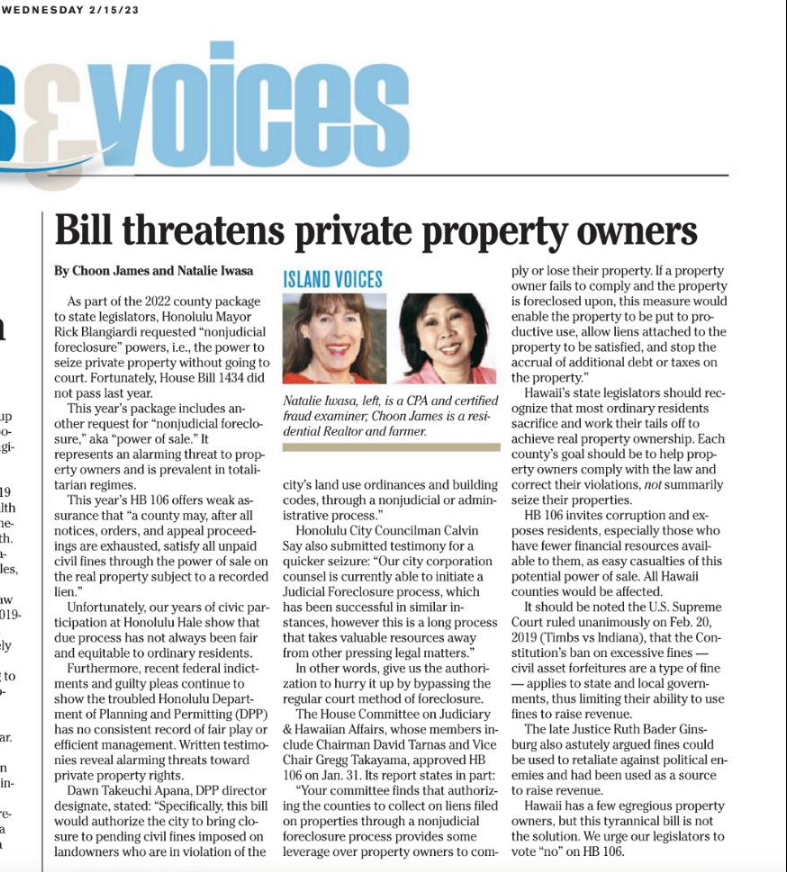
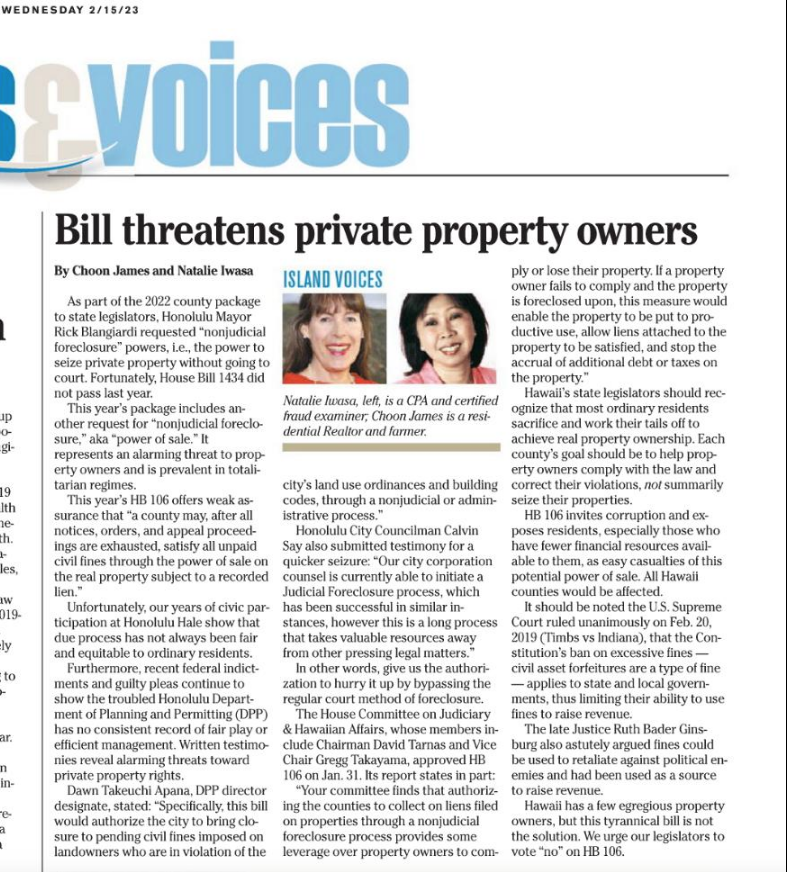
Who’s behind these non-judicial Power of Sale bills?

UPDATE: SB 875 & HB 15 are speeding on. ( HB 538 is quite similar.)

Keep in mind the counties already have “Judicial Foreclosure” and “Eminent Domain” powers in place. But the justification is that these processes take too long.

In other words, these bills will allow the counties to be the Police, Prosecutor, Jury, Judge, and Executioner. The Judicial Due Process will be cut off.

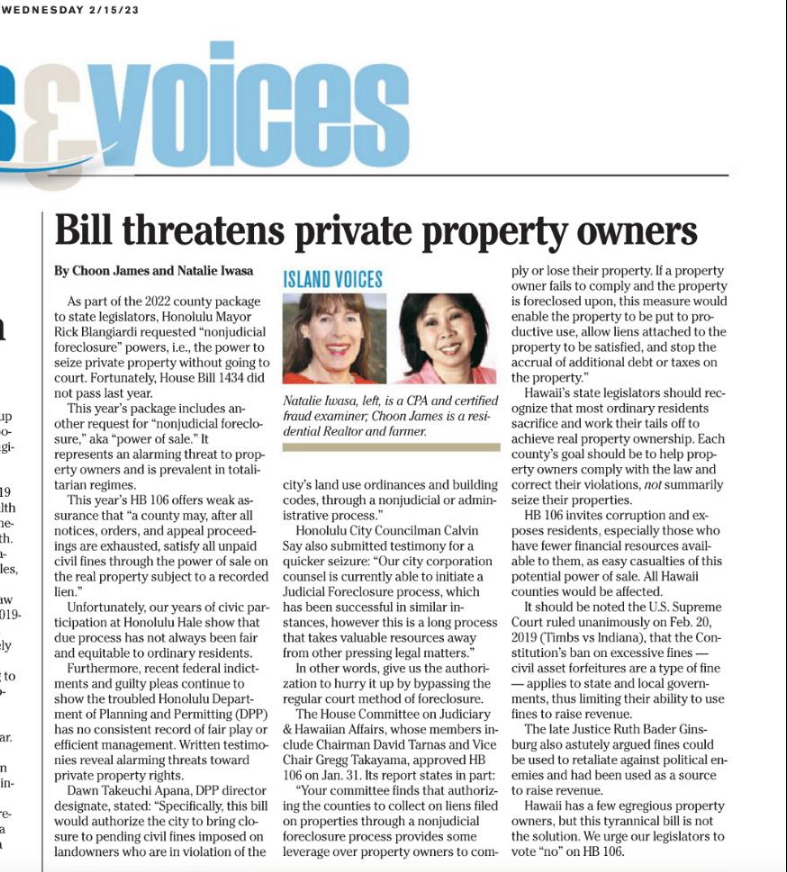
We’re asked who started these non-judicial foreclosure bills to forced sale of a private property, based on the Honolulu Department of Planning and Permitting (DPP) fines, without going to court.

Here are some quick answers:

It originated in 2022 as HB 1434 with Honolulu Mayor Rick Blangiardi. Keep it mind that this Power of Sale requests applied to ALL Counties in Hawaii. Based on my observations of him, it’s unlikely that this non-judicial Power of Sale idea originated from Blangiardi unless he’s hoping for a new stream of revenues from fines and sale of properties.

If I have to take a guess, it would be his Managing Director Mike Formby, formerly with the Pacific Resource Partnership (PRP) or former Department of Planning and Permitting (DPP) Director Dean Uchida.

Five (5) City Council members, known as the Gang of 5, also submitted testimony – Chair Tommy Waters, Esther Kia’iana, Brandon Elefante, Calvin Say, and Radiant Cordera.

What were the underlying motives?

Fortunately, Bill 1434 failed to pass last year.

I was in the same Mayoral campaign with Rick Blangiardi in 2020. Based on my observations and
his words, he had very shallow understanding about Honolulu City Hall workings.

This year 2023, Mayor Blangiardi is back with HB 106 and SB 216 by request to Senate President Ron Kouchi and House Speaker Scott Saiki.

However, presto! The tactics have changed a bit this year. There are five (5) clone bills with the same agenda speeding through.

Google Searches show no county mayors, state legislators or city council members appear to have warned Hawaii about this draconian assault on private properties.

Here are the rest of the three (3) bills.

SB875 is introduced by Senators Stanley Chang, Donovan Dela Cruz and Sharon Moriwaki. This bill is alive and has crossed over on March 7, 2023.

This time around, written testimonies come from only Honolulu City Council former Budget Chair Calvin Say and DPP Director Dawn Takeuchi Apuna.

Companion Bill HB498 is introduced by Representative Jackson Sayama.

HB 15 is introduced by Representative David Tarnas (D) It has no senate companion bill but it has crossed over on March 7, 2023.

HB538 is another similar one that includes judicial or non-judicial foreclosure. It is introduced by MATAYOSHI, BELATTI, HASHIMOTO, HOLT, KILA, KITAGAWA, LAMOSAO, MARTEN, NISHIMOTO, TAKENOUCHI, TARNAS, Chun.

The time line provided in this bill is too unrealistic. It assumes that DPP is 100% efficient. In actual fact, it takes a very long time to get a permit. Some permits take a much longer time because it may need a shoreline certified shoreline. This could easily take six months to complete.

Hawaii State Legislature quietly overturning basic civil rights

UPDATE: SB875 & HB15 are speeding through at the State Capitol. Caveat: There may be more clone bills of this same agenda. I can’t keep up.

It’s a zoo at the State Capitol. Bills are flying off the tables. I don’t see how these 3,123 bills can be carefully vetted and thoroughly deliberated in such a short time.

There are at least five (5) clone bills allowing Hawaii counties to have non-judicial Power of Sale of private properties, based on county civil fines, WITHOUT going to court. This means no checks and balances in our Democracy.

These proposed actions violate many constitutional liberties. Due Process, that includes having your day in court, is fundamental to basic Civil Rights. Even prisoners on death-row have more judicial Due Process than these bills.

Even if we emotionally hate some egregious property owners, we cannot tear down the Cathedral of civil rights to fry a few bad eggs. There are other enforcement options for the counties already in place.

None of the legislators I’ve talked with knew about these far-reaching proposed Power of Sale bills.

Below are the CLONE BILLS that give all Hawaii counties non-judicial power of sale. Honolulu County reiterates that it already has “Judicial Foreclosure” and “Eminent Domain” powers but these processes take too long:

SB875 Introduced by Senators Stanley Chang, Donovan Dela Cruz & Sharon Moriwaki.

HB15 Introduced by Representative David Tarnas

HB106 Introduced by HOUSE SPEAKER SCOTT SAIKI (Introduced by request of another party – Honolulu Mayor Rick Blangiardi.)

SB216 SENATE PRESIDENT RONALD KOUCHI (Introduced by request of another party – Honolulu Mayor Rick Blangiardi.)

HB498 Introduced by Representative Jackson Sayama.

Give Voice Now!

Email: sens@capitol.hawaii.gov, reps@capitol.hawaii.gov,

OPPOSE SB875, HB15, HB106, SB216, HB498. Don’t overturn our basic civil rights. Allowing Hawaii counties to have non-judicial Power of Sale, based on county civil fines, WITHOUT going to court violates Due Process, There will be no checks and balances in our Democracy.

Call them now:

Senate: https://www.capitol.hawaii.gov/legislature/legislators.aspx?chamber=S

House: https://www.capitol.hawaii.gov/legislature/legislators.aspx?chamber=H